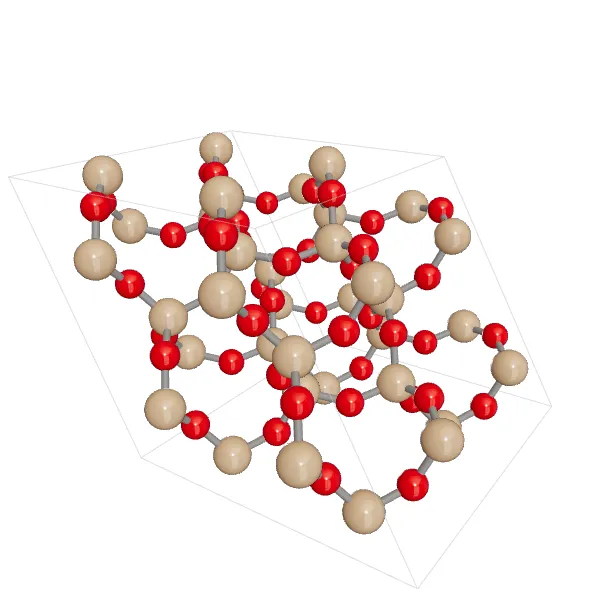
Inorganic chemistry
Everything beyond the carbon chain — the molecular gases, acids, oxides and halides of the main group, the geometry-defining VSEPR showpieces, coordination complexes, and the extended crystal lattices that build minerals and metals. Discrete molecules open as 3D models; ionic and covalent solids open as rotatable crystal supercells.
95 molecules · 11 families · 17 crystal structures
Featured
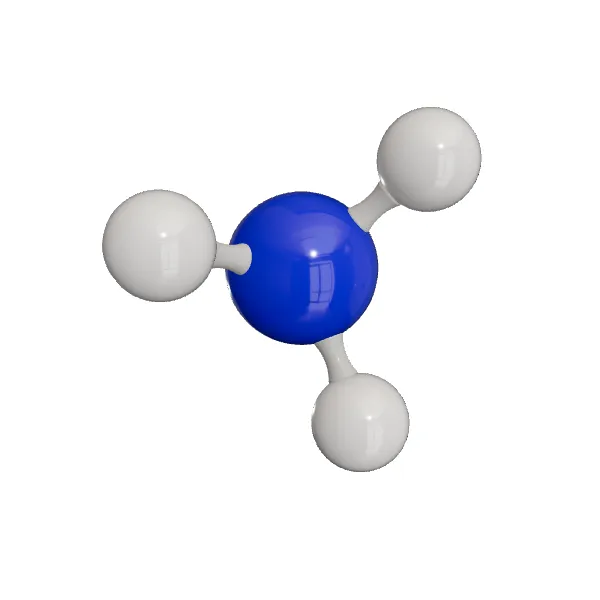
Elemental molecules
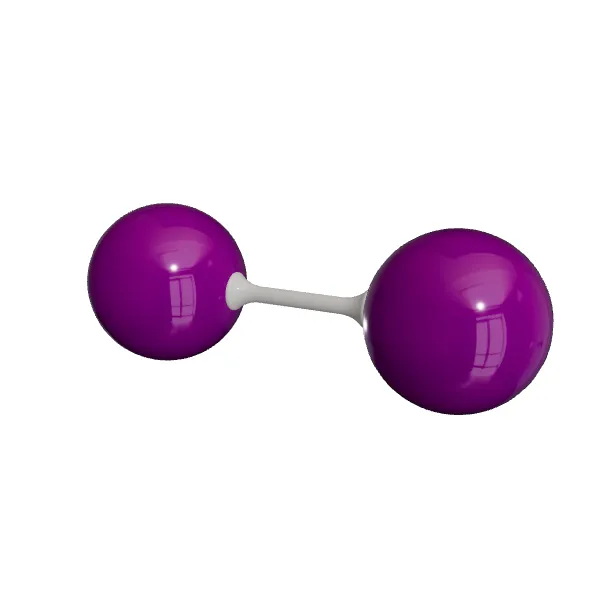
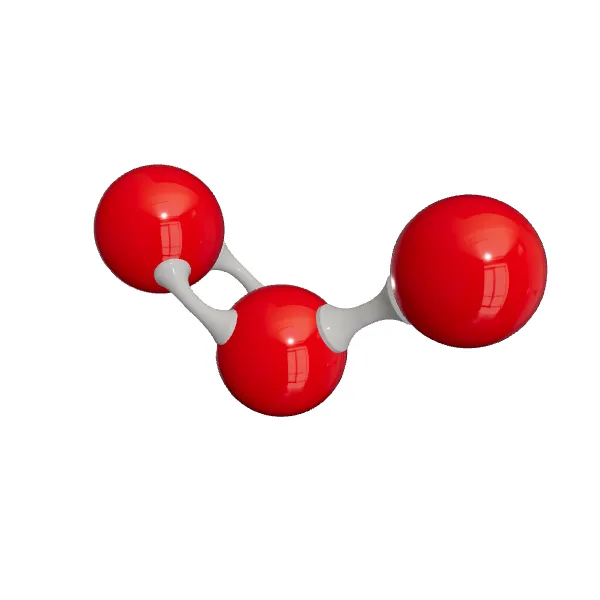
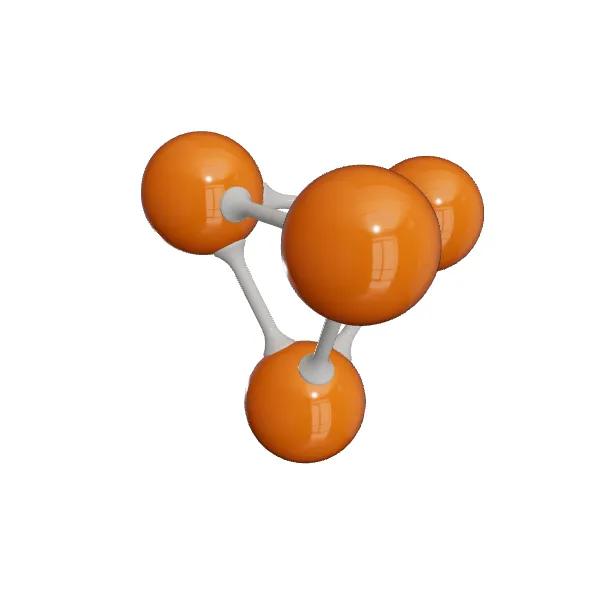
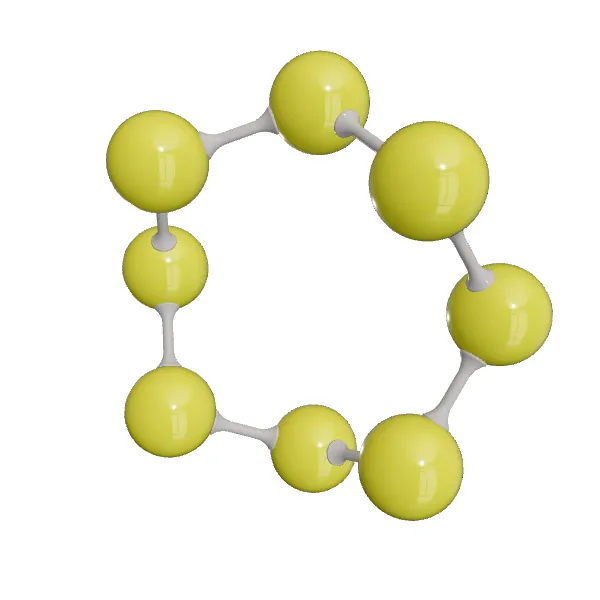
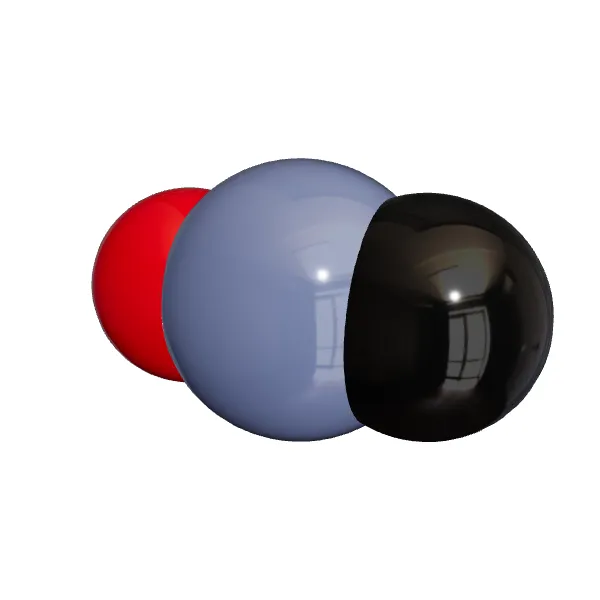
10Pure elements that exist as discrete molecules — diatomic gases, P₄ tetrahedra, S₈ crowns.
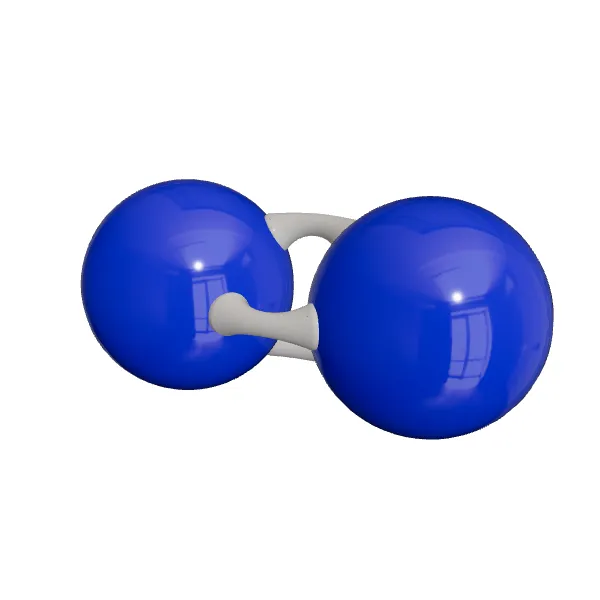
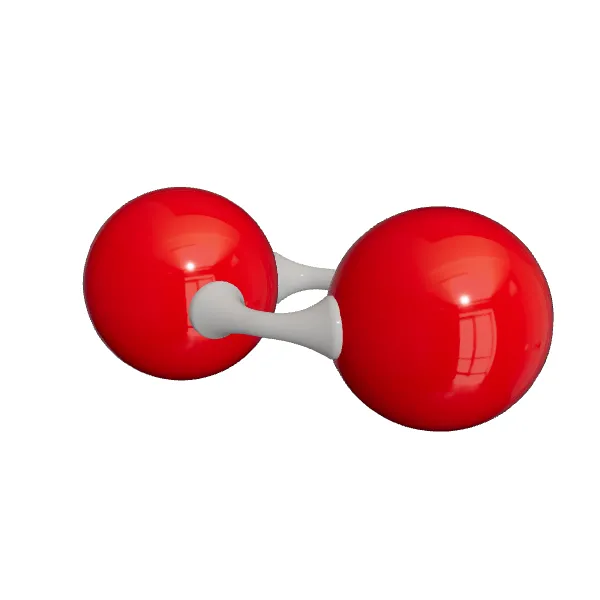
Oxides
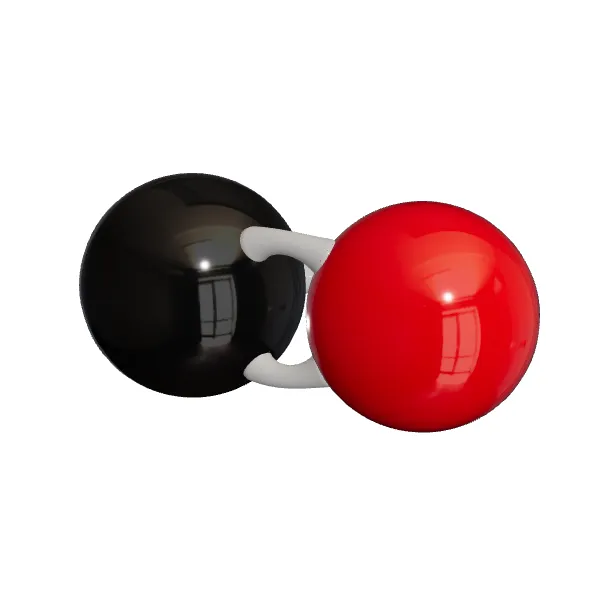
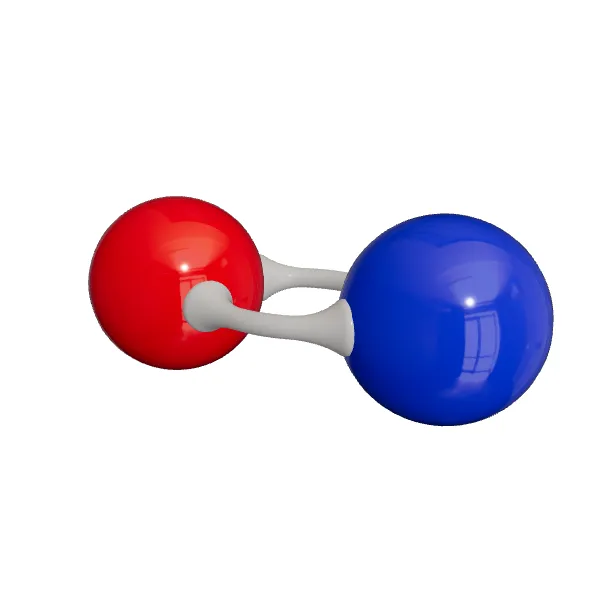
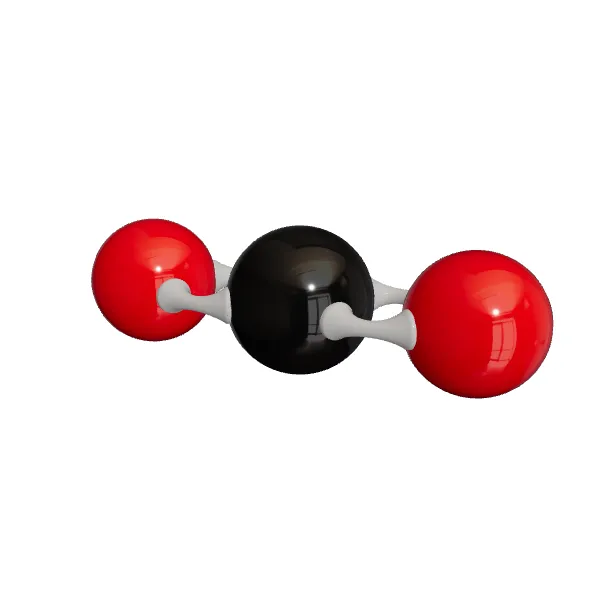
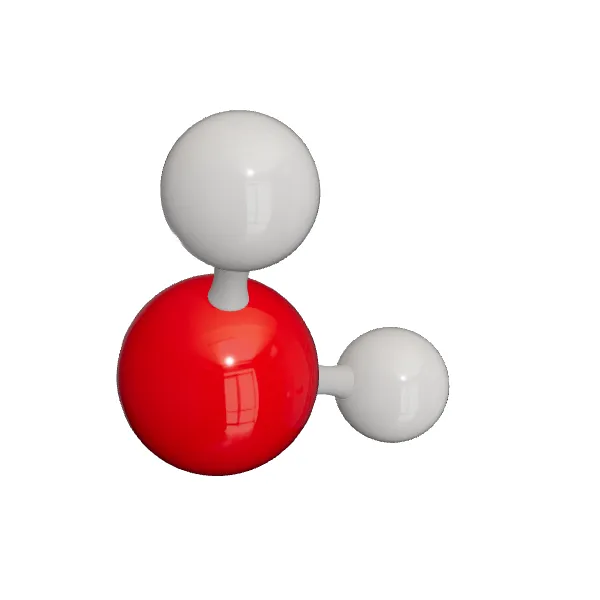
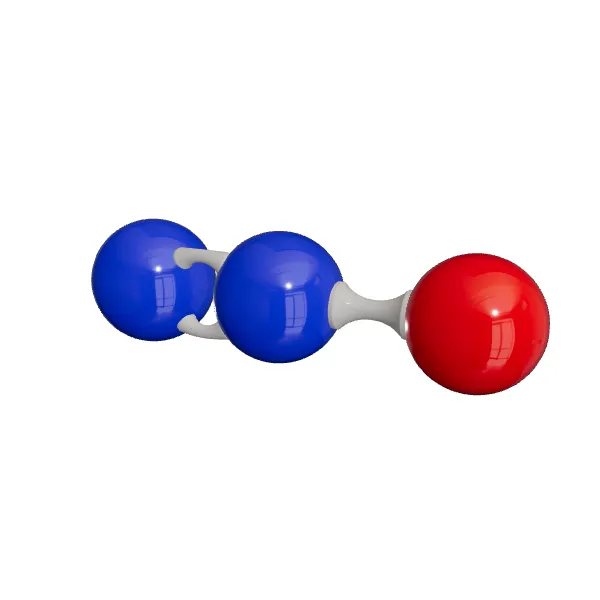
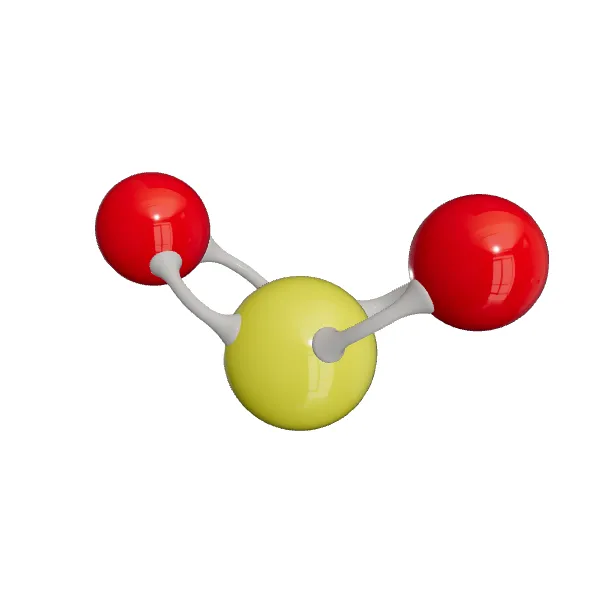
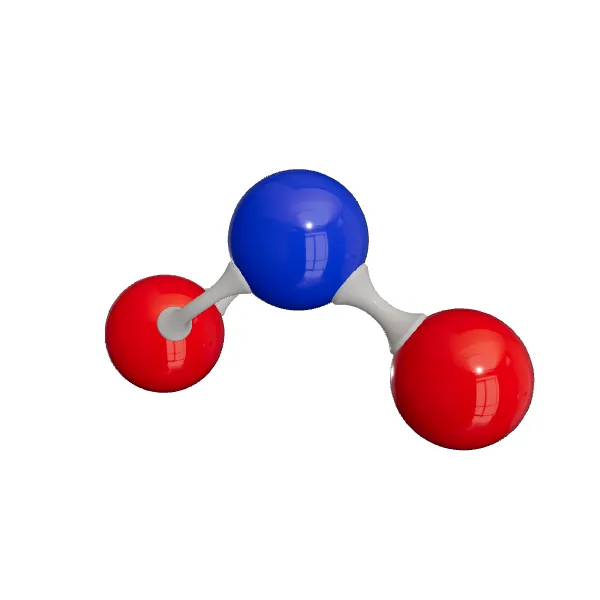
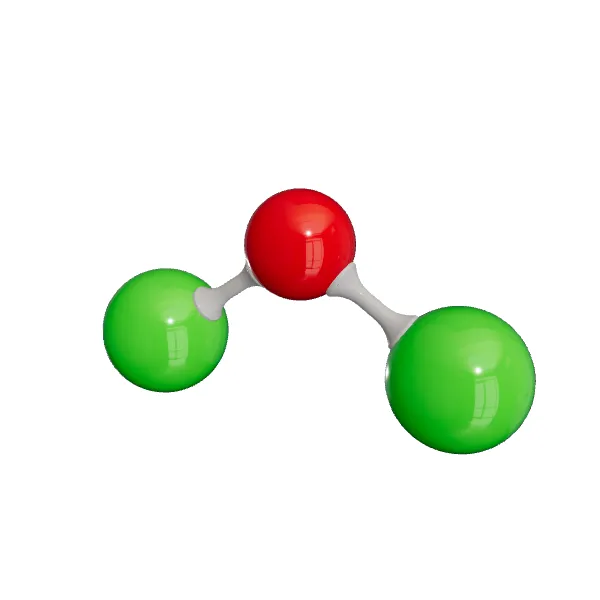
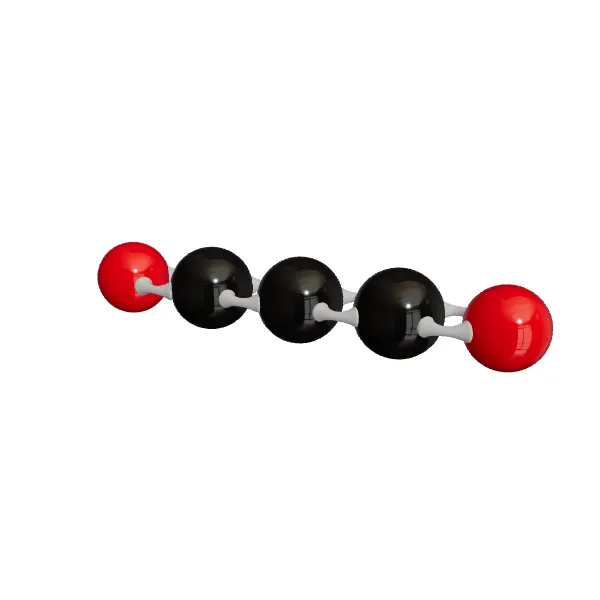
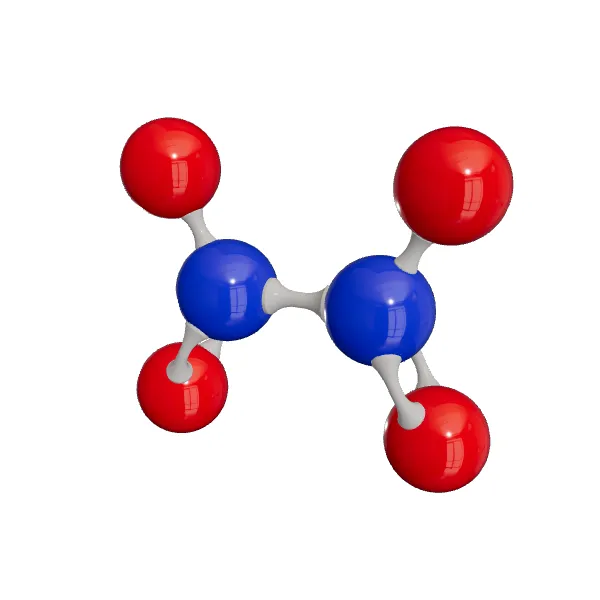
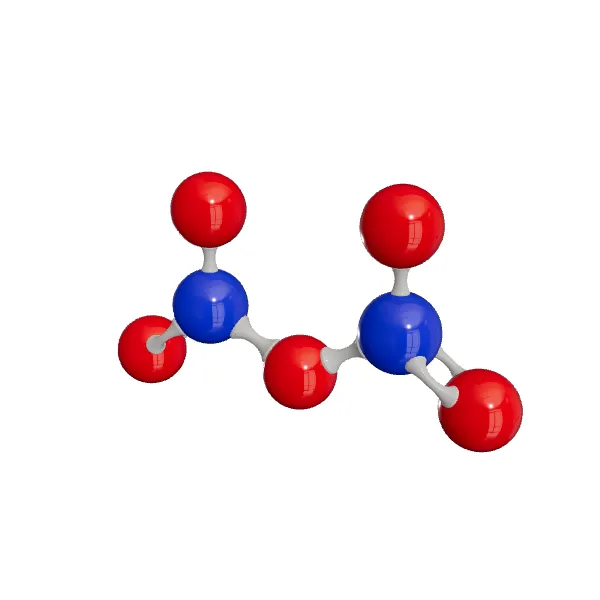
15Oxygen bound to other elements — from water and CO₂ to volatile nitrogen oxides.
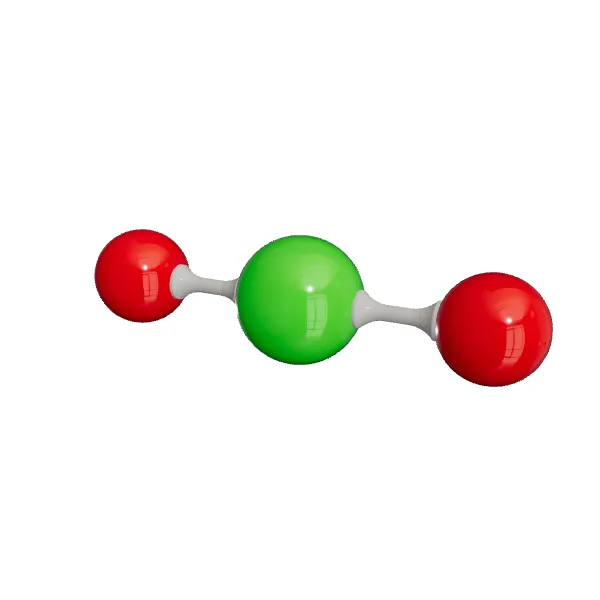
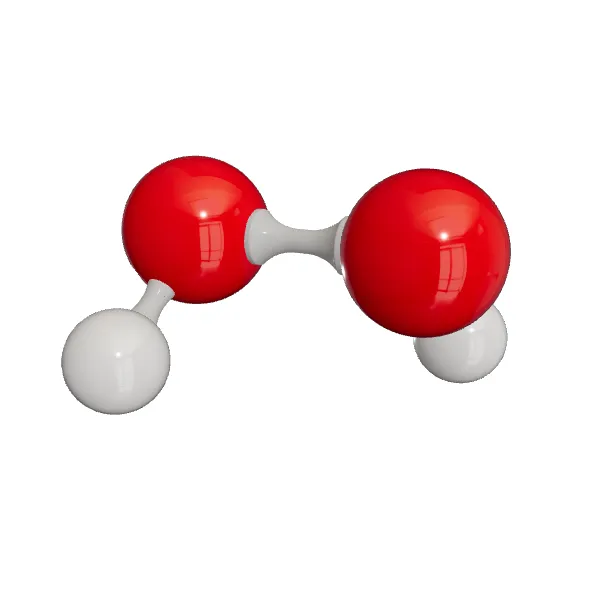
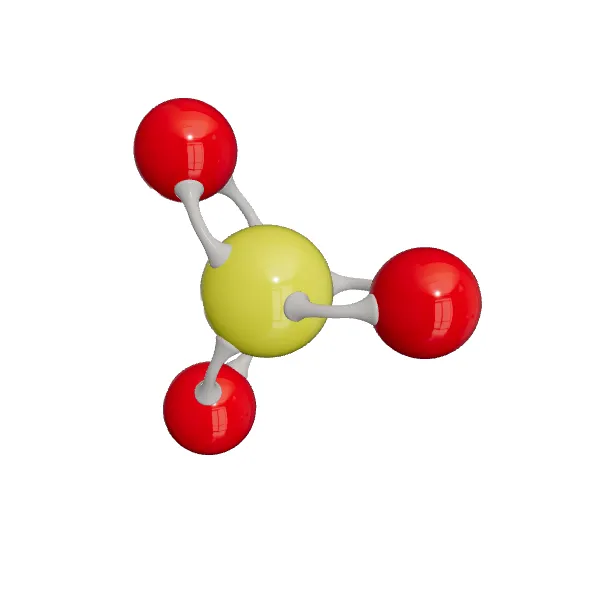
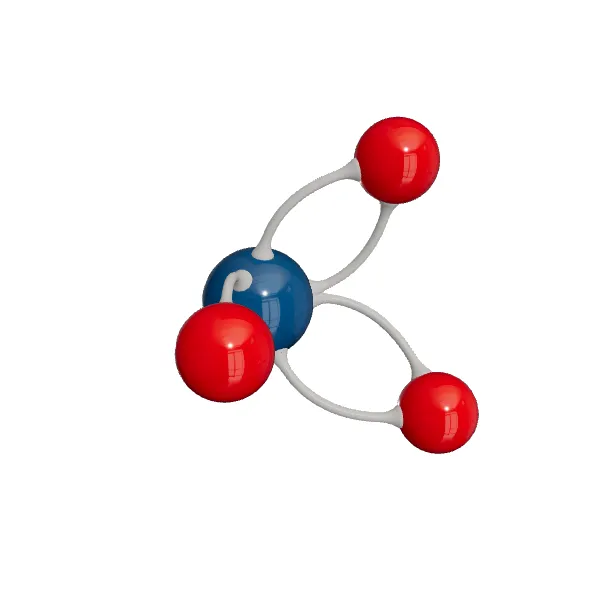
Mineral acids
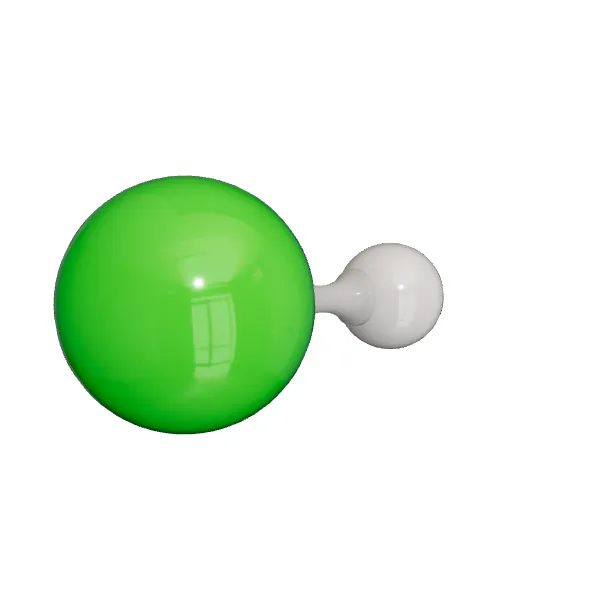
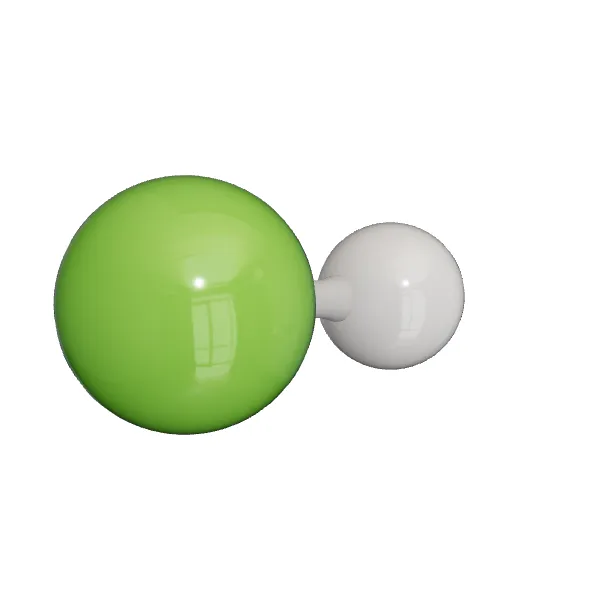
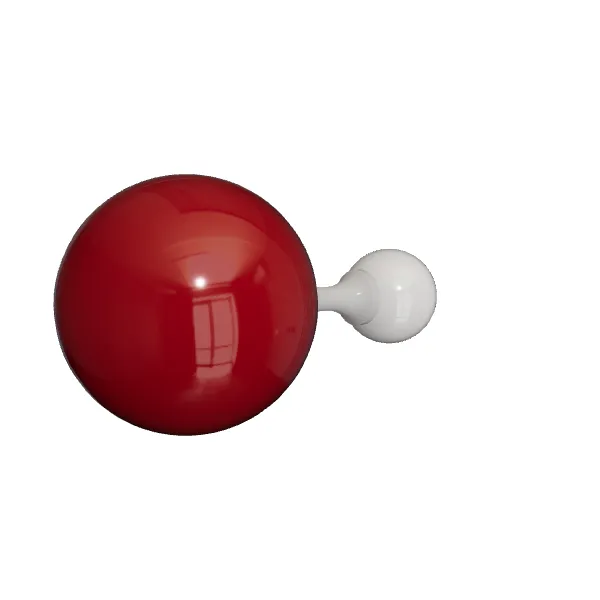
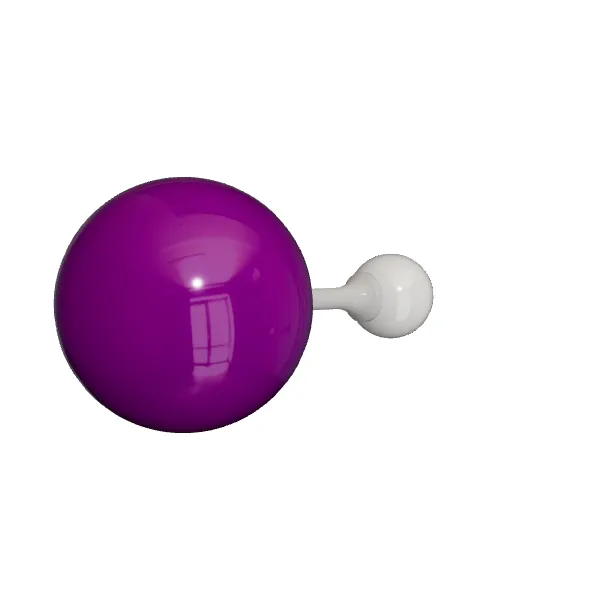
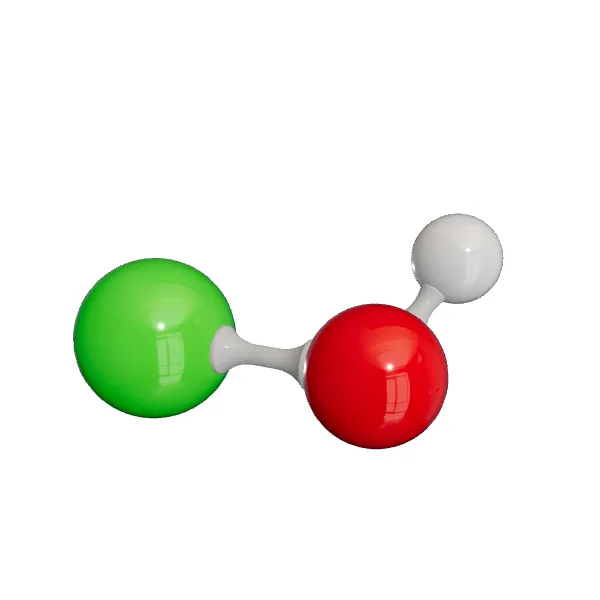
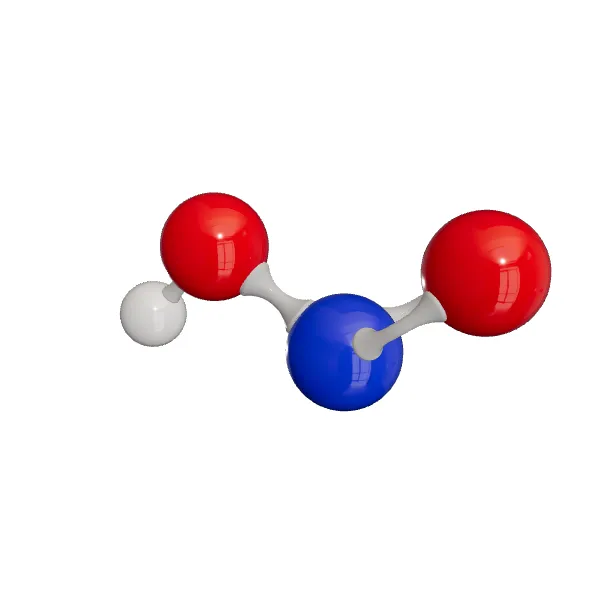
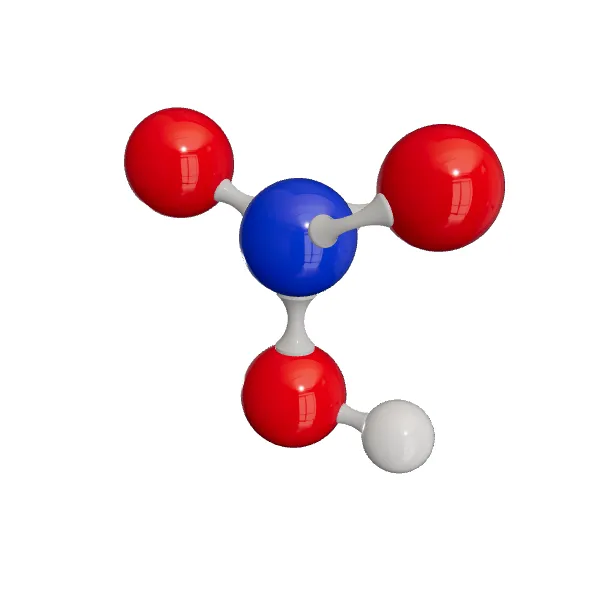
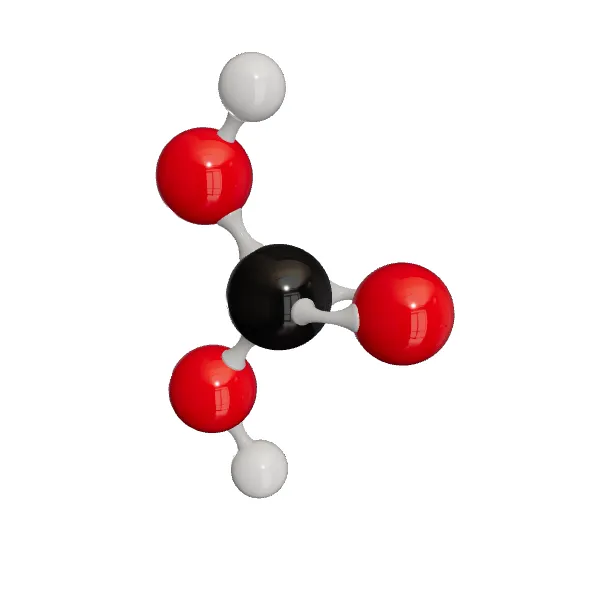
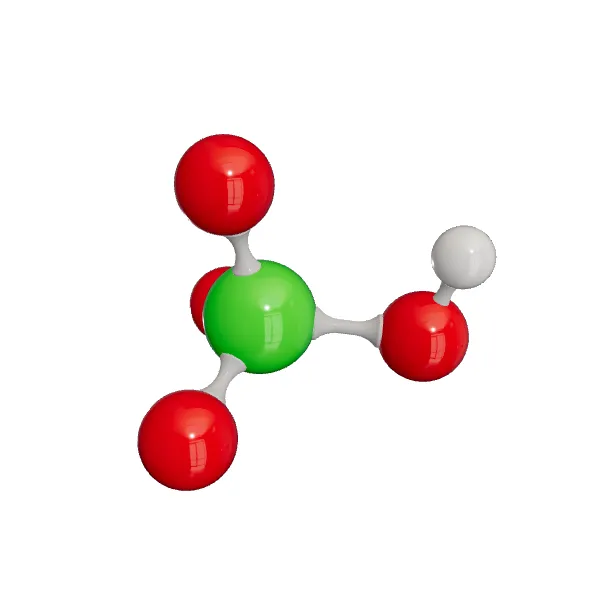
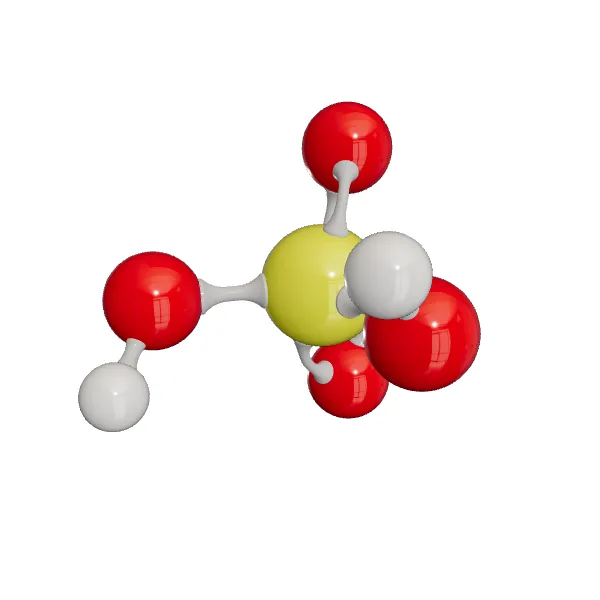
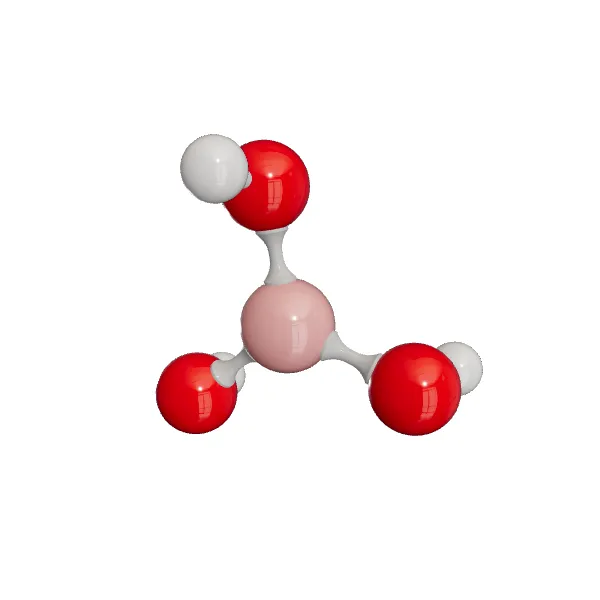
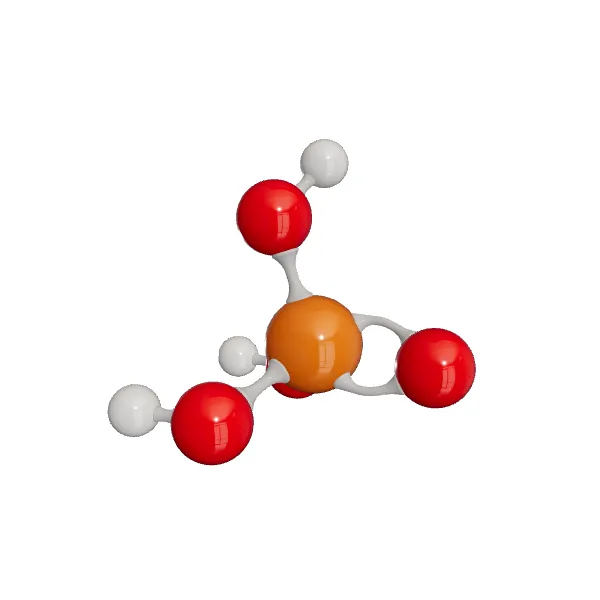
13The classic inorganic acids: hydrogen halides, sulfuric, nitric, phosphoric.
Nitrogen hydrides
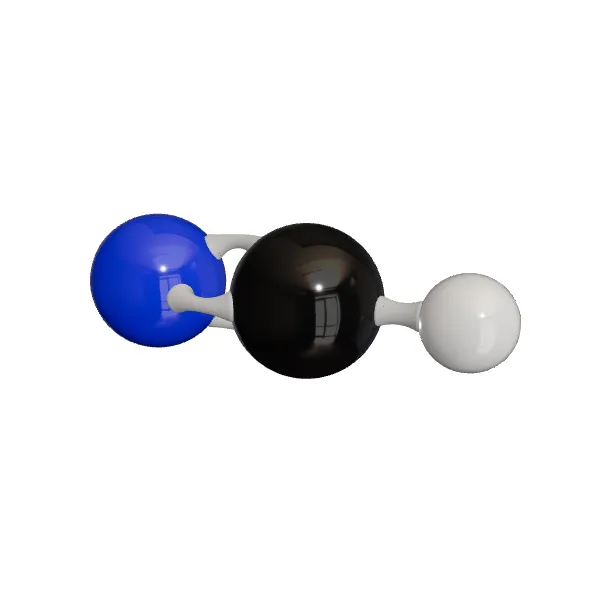
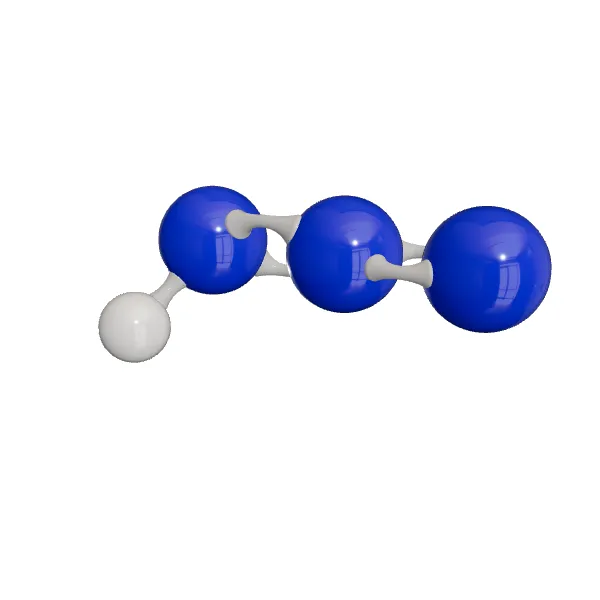
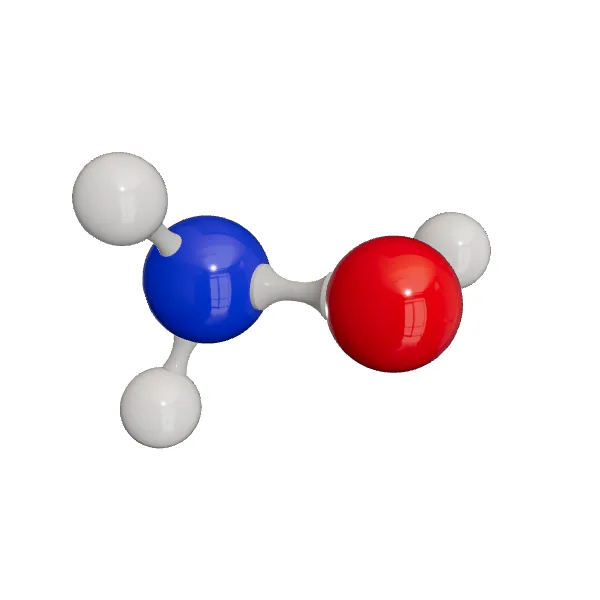
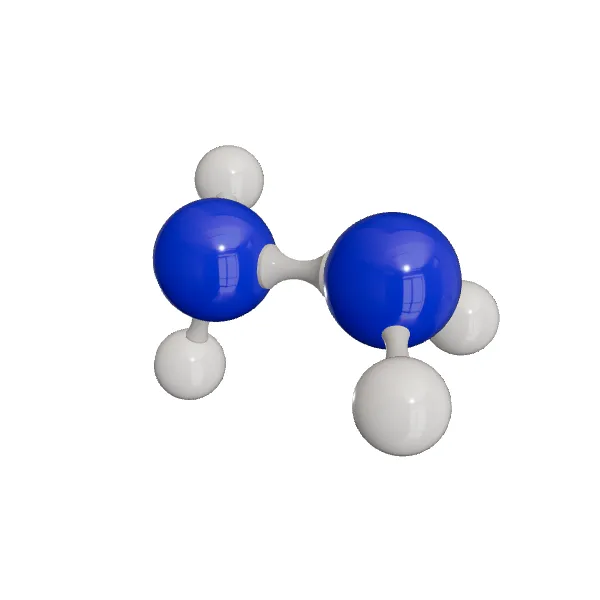
4Ammonia and its relatives — hydrazine, hydroxylamine.
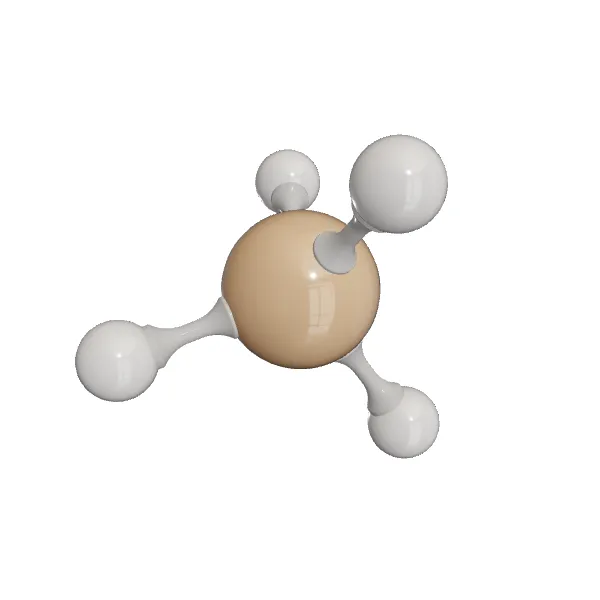
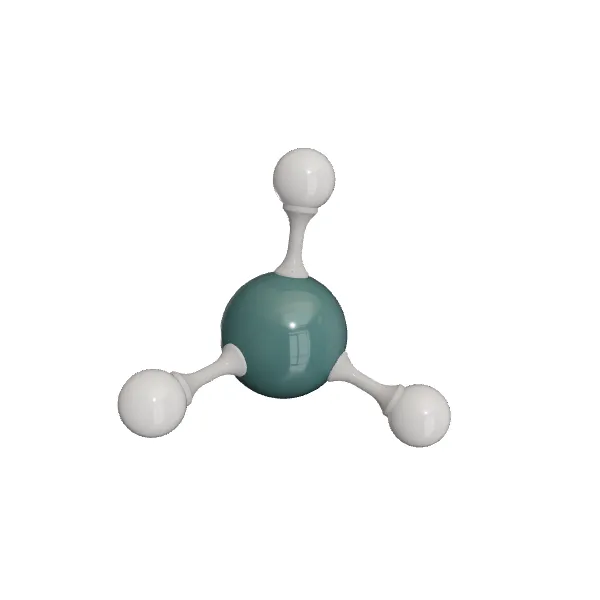
Hydrides
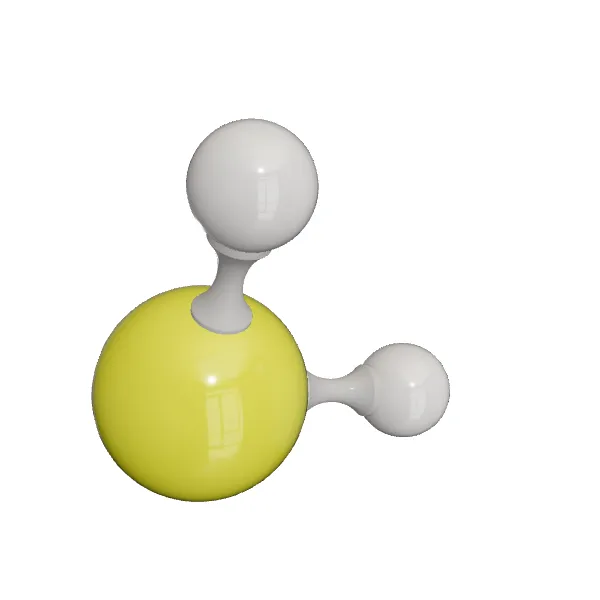
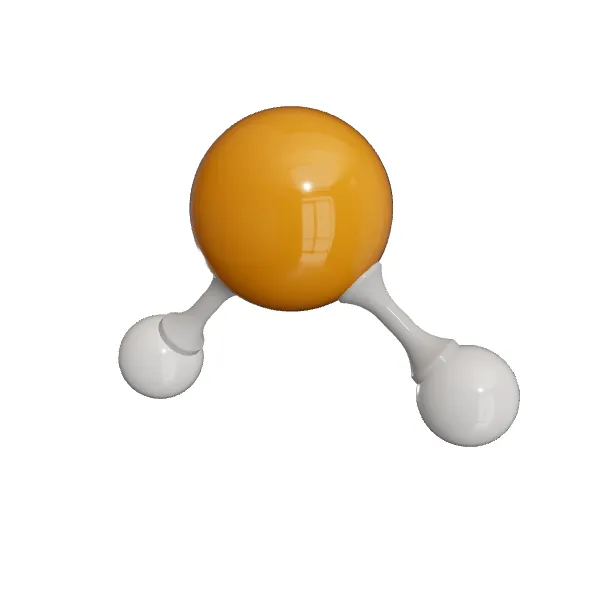
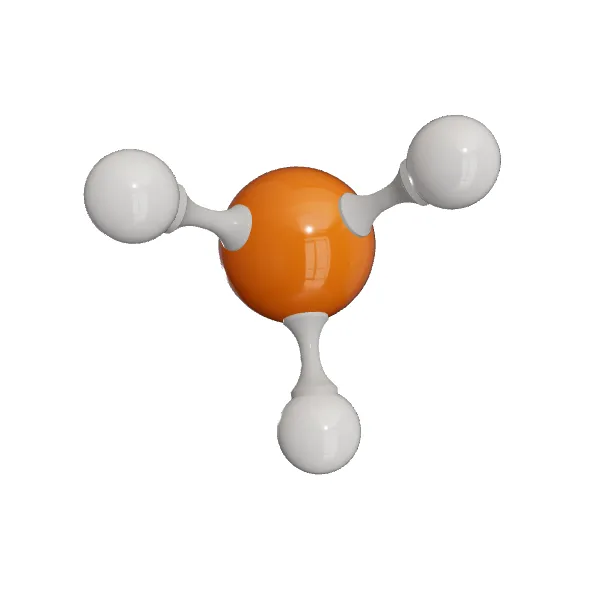
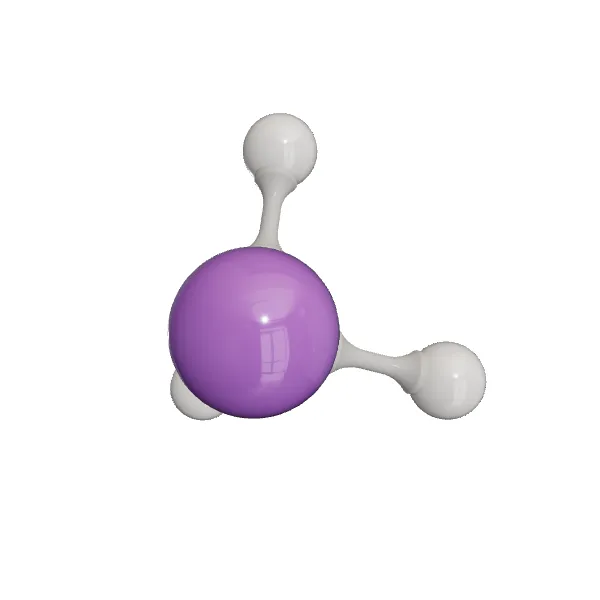
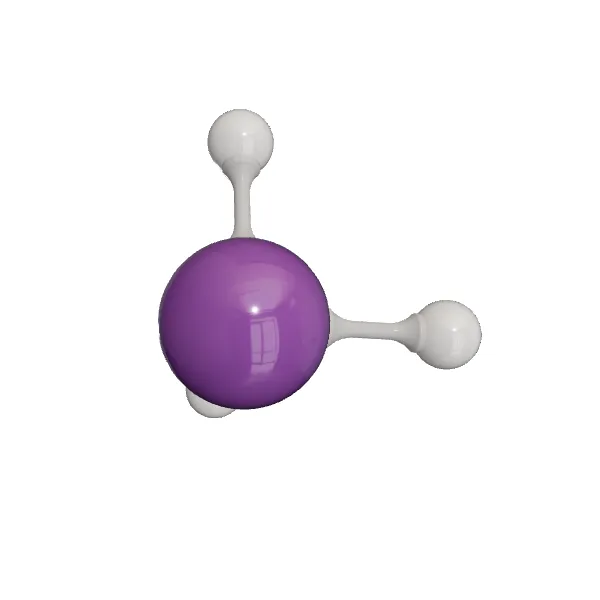
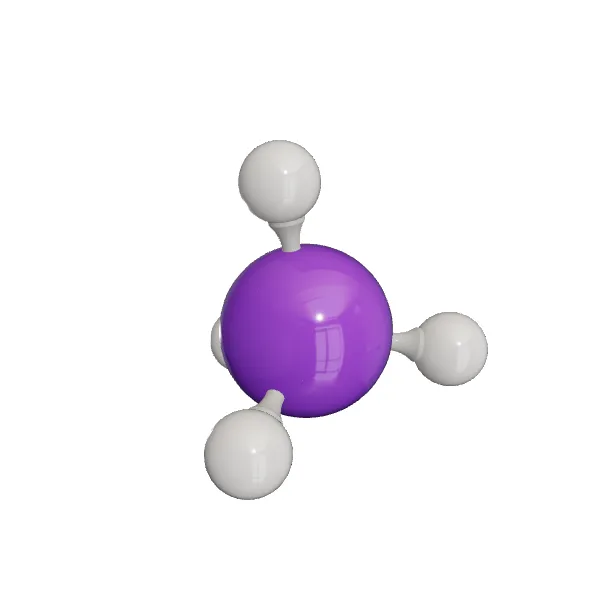
8Hydrogen compounds of the p-block: silane, phosphine, hydrogen sulfide.
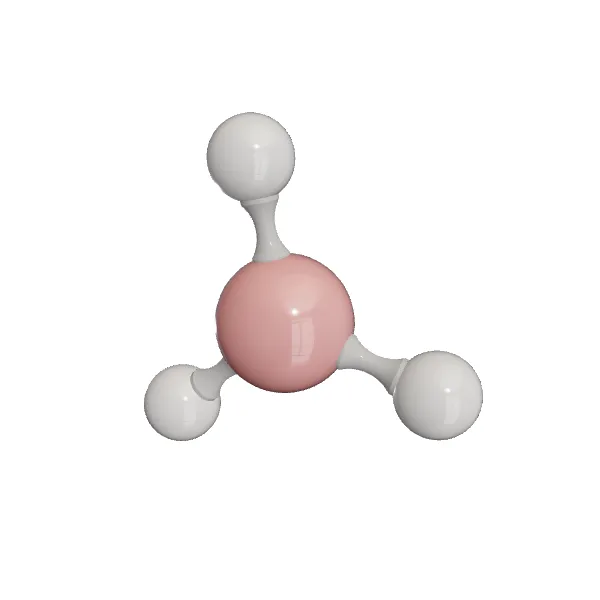
Halides
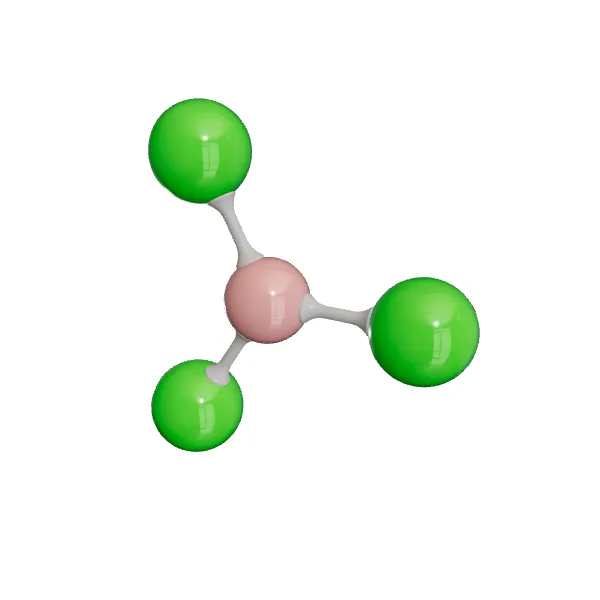
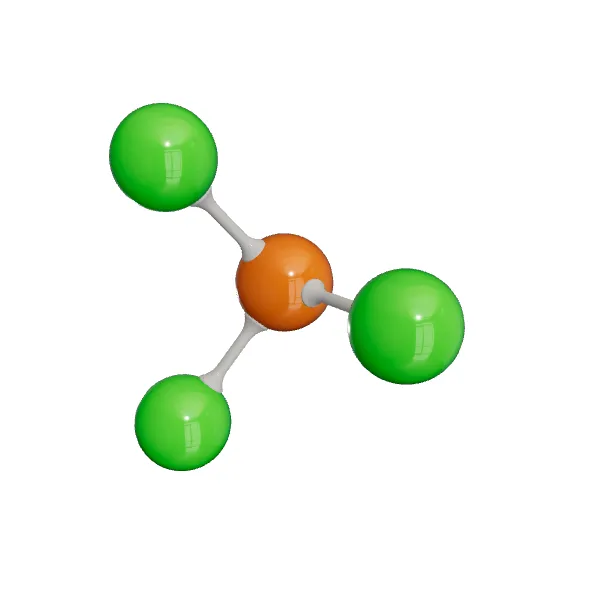
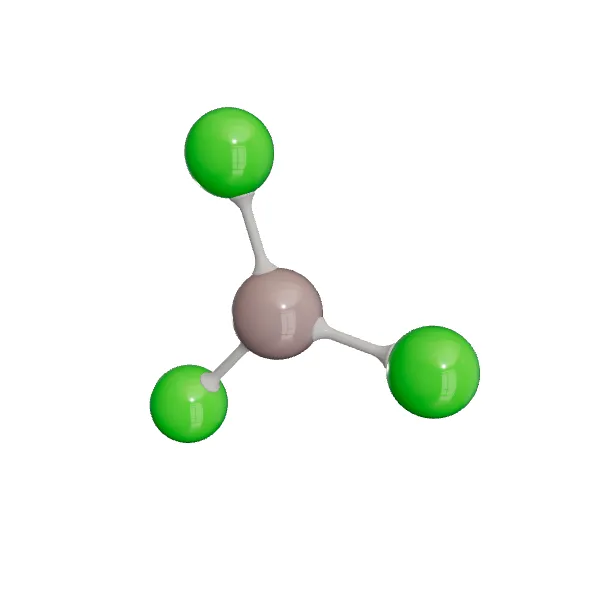
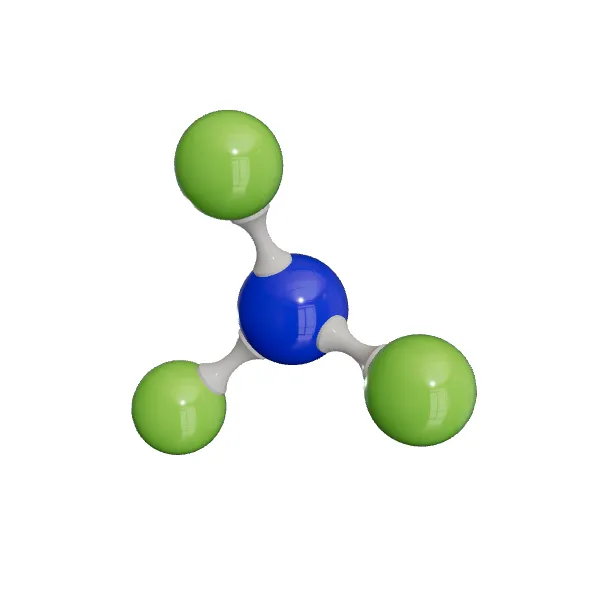
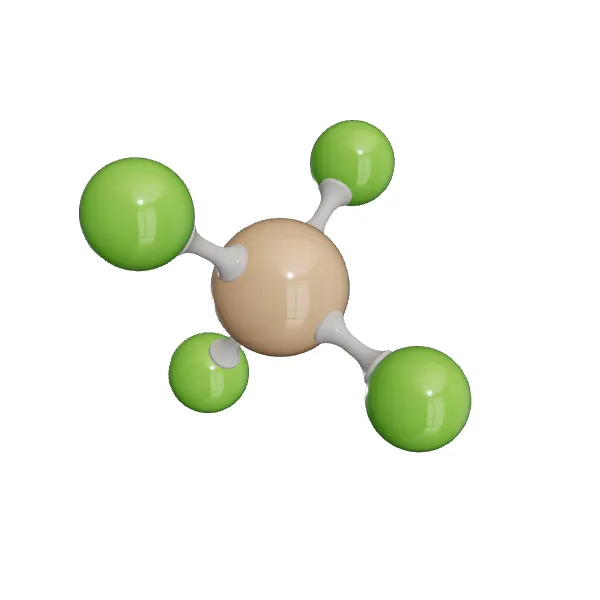
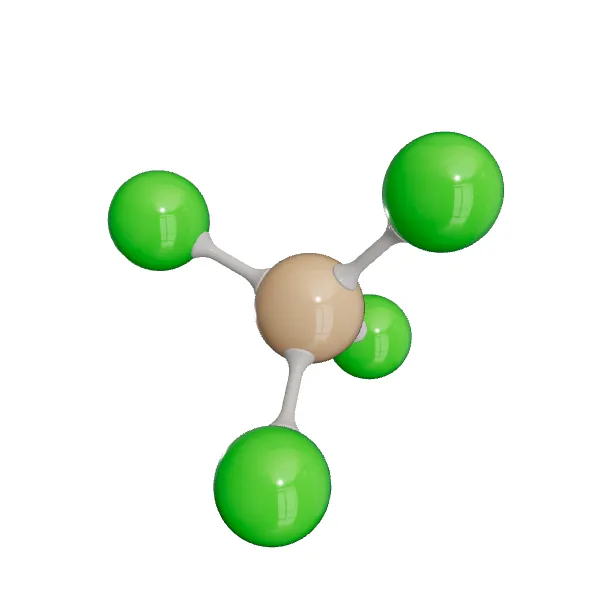
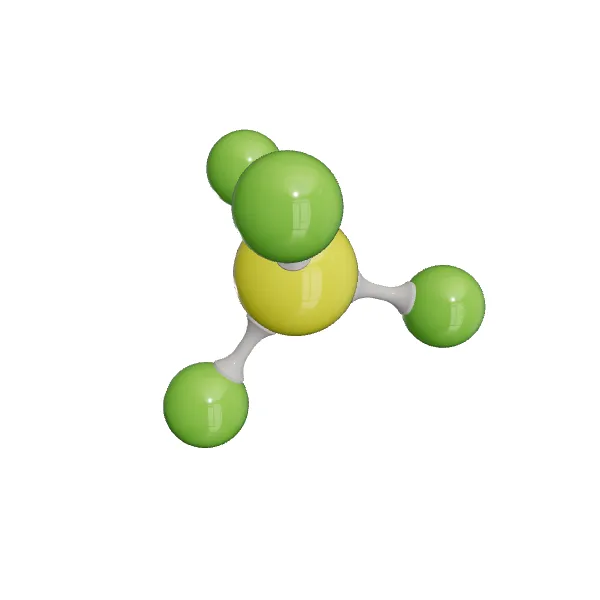
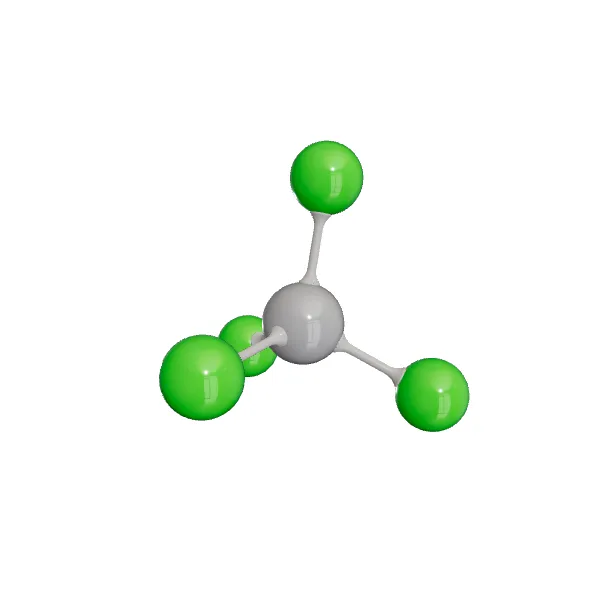
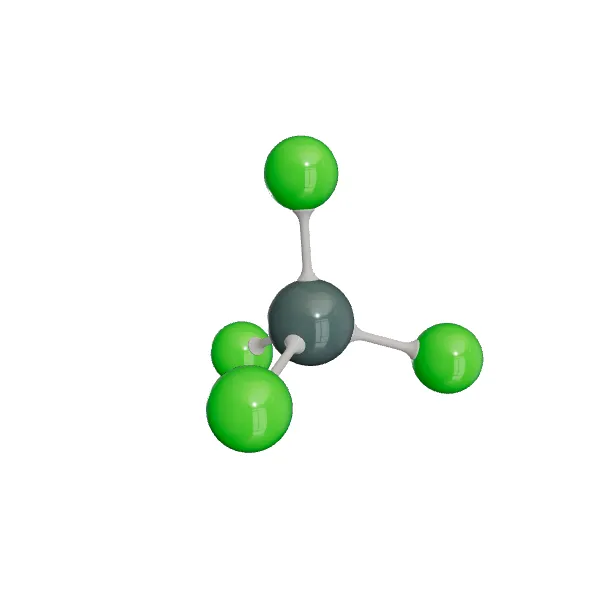
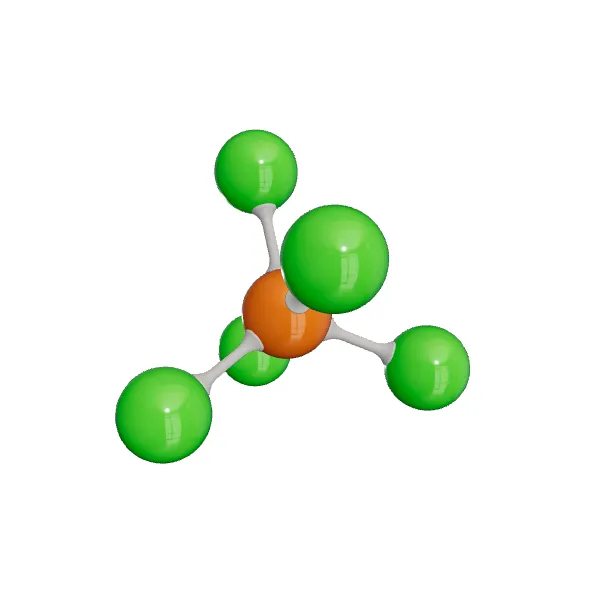
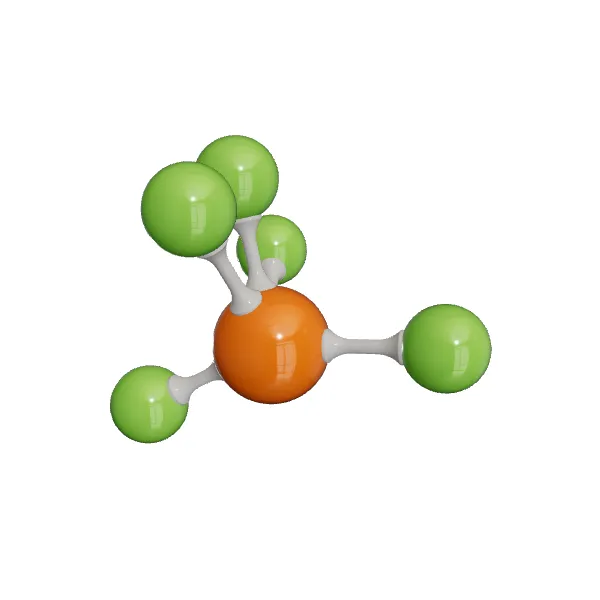
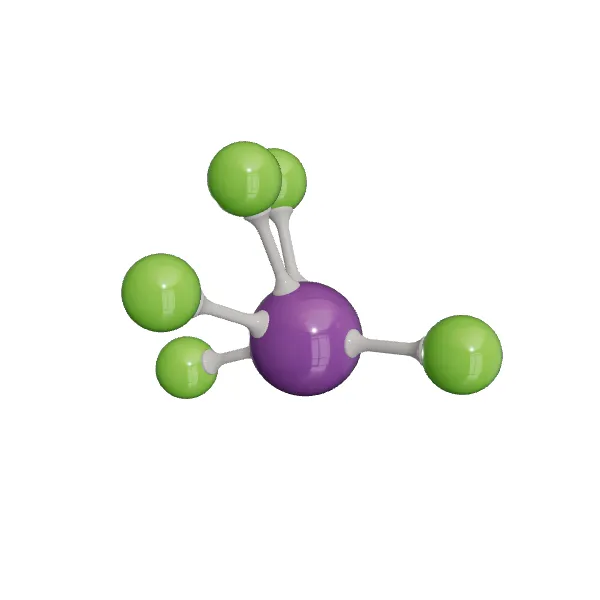
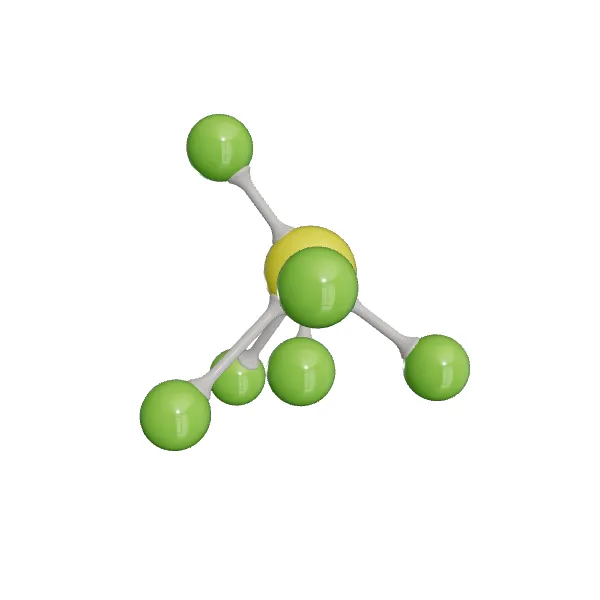
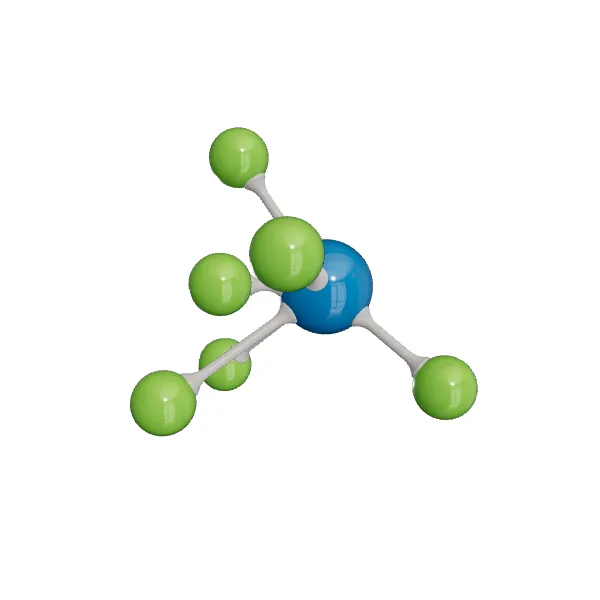
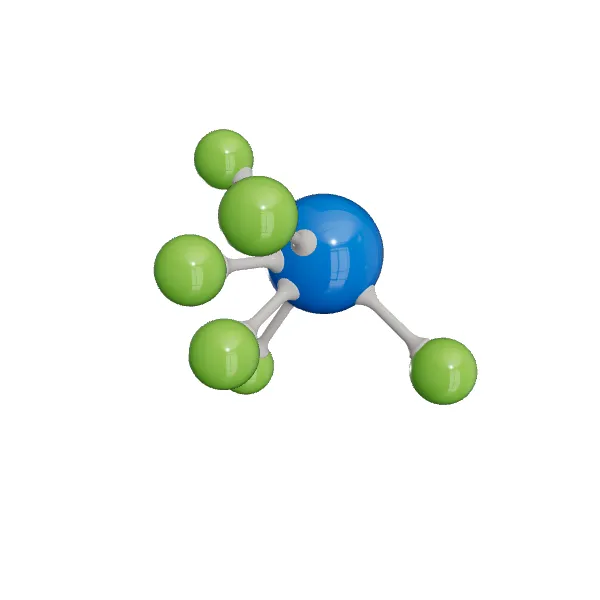
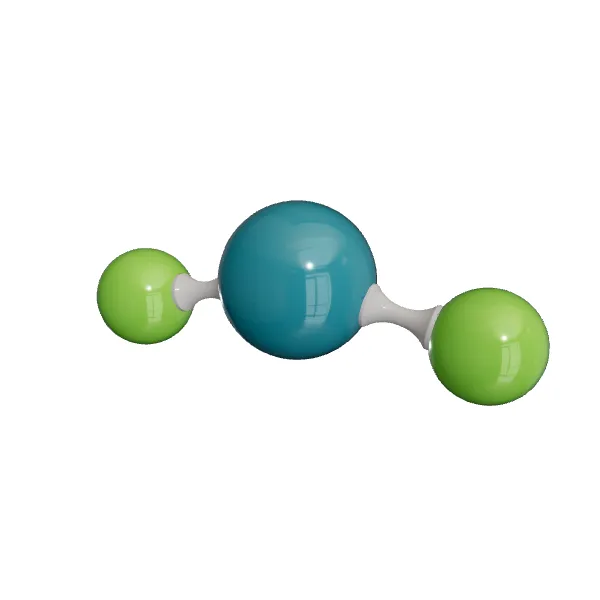
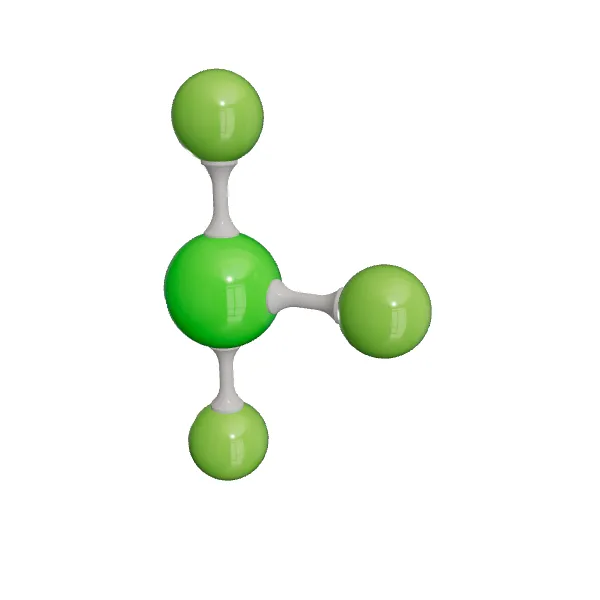
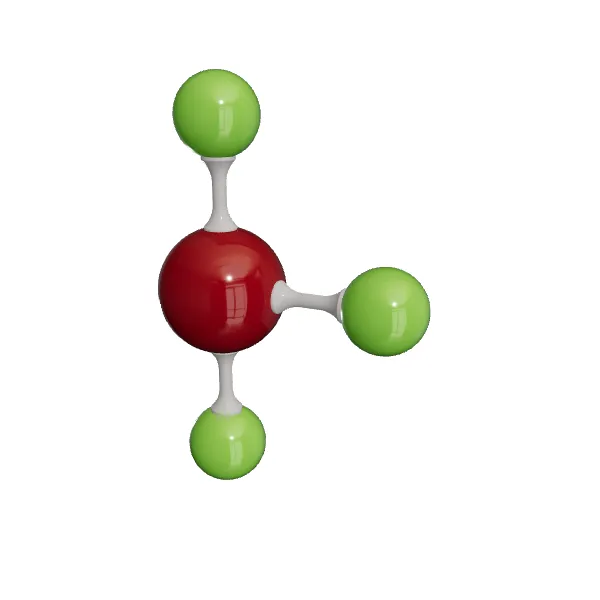
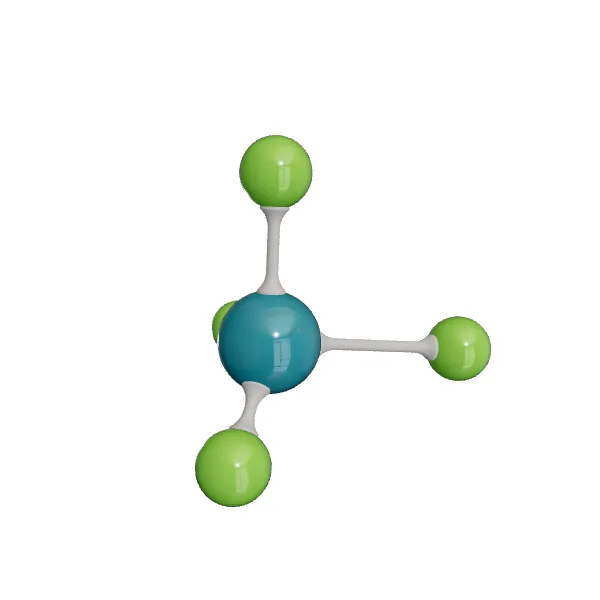
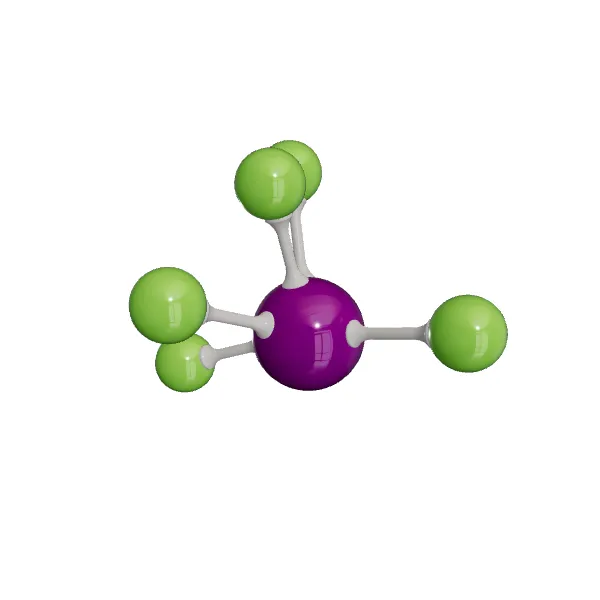
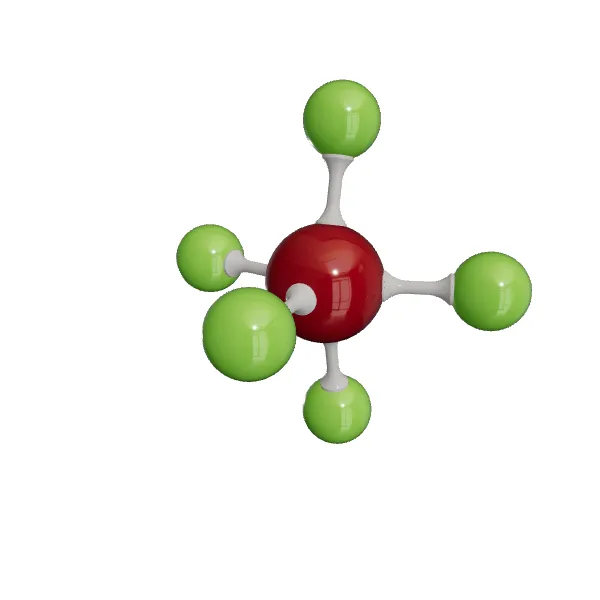
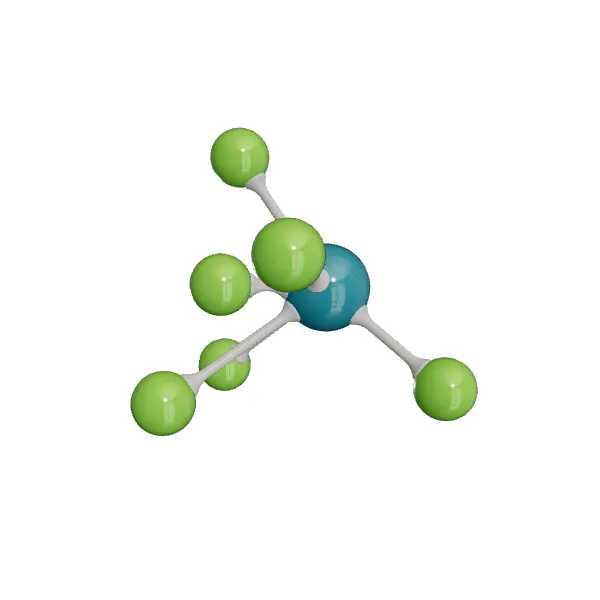
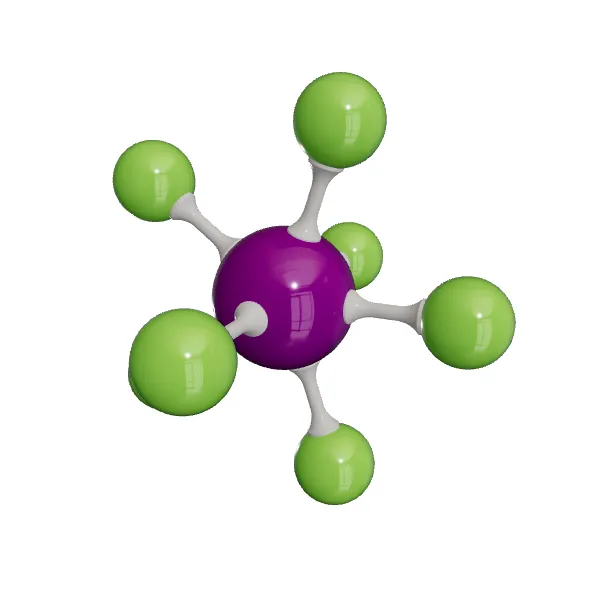
16Molecular halogen compounds — BF₃, SF₆, PCl₅ and other VSEPR showpieces.
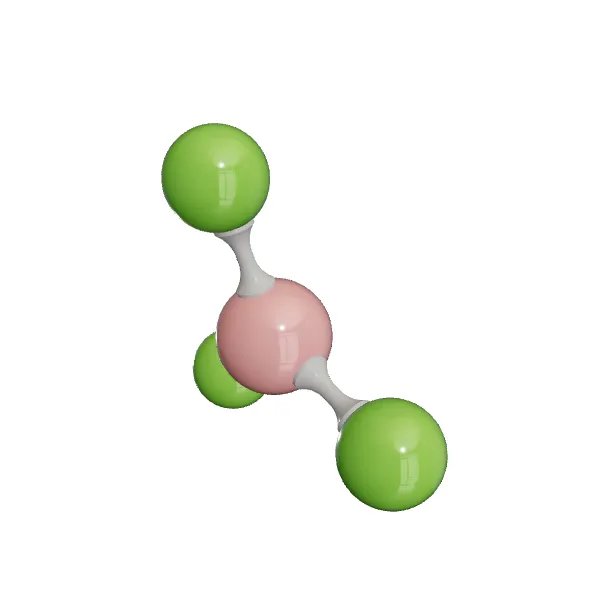
Interhalogens & noble-gas compounds
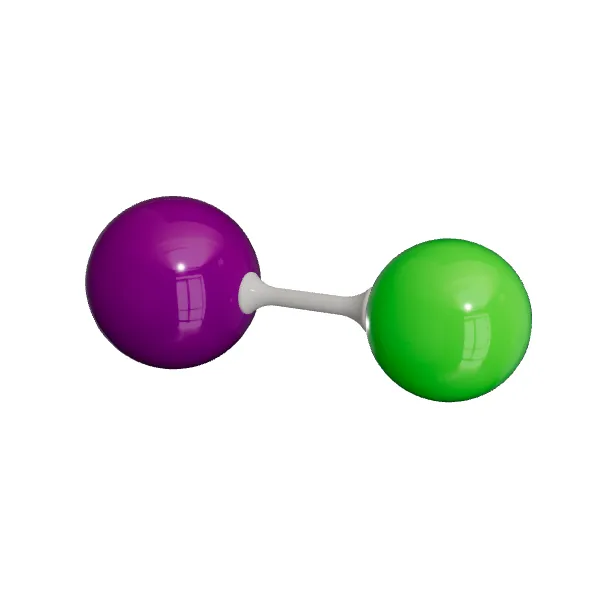
9Halogens bonded to each other, and the xenon fluorides that broke the 'inert gas' rule.
Sulfur compounds
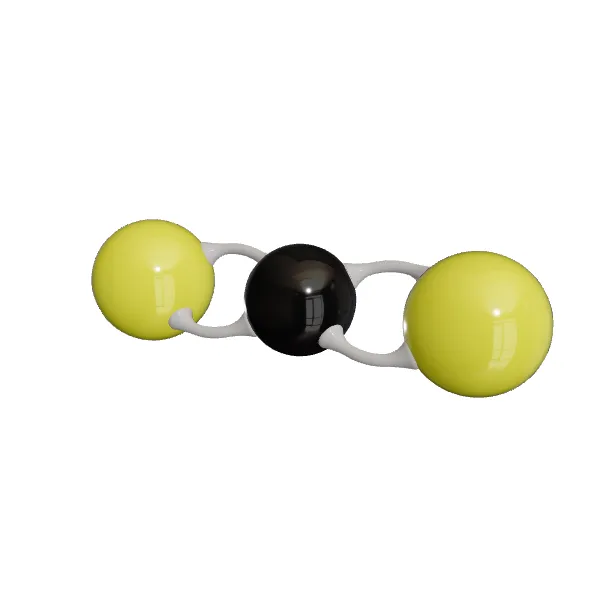
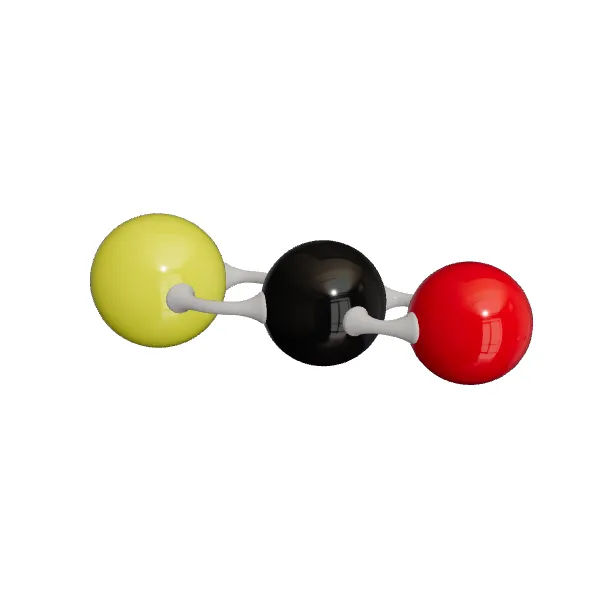
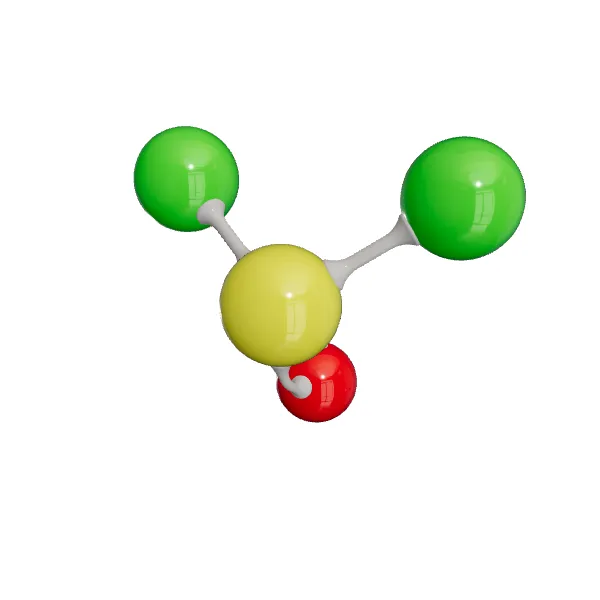
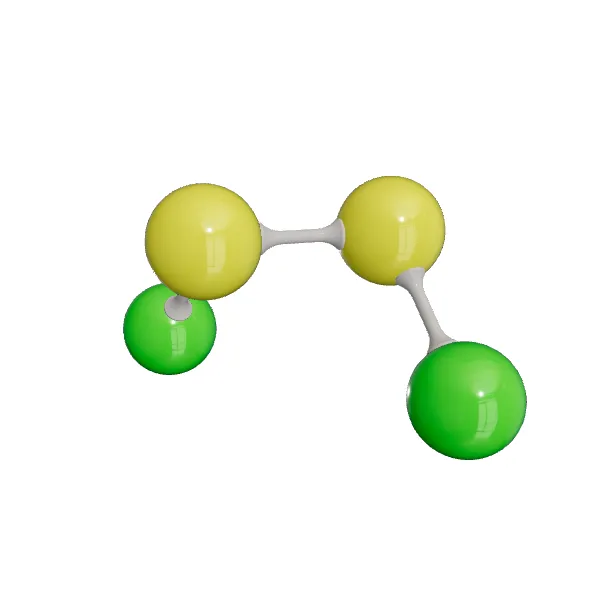
5Molecular sulfur chemistry beyond the oxides — CS₂, thionyl chloride.
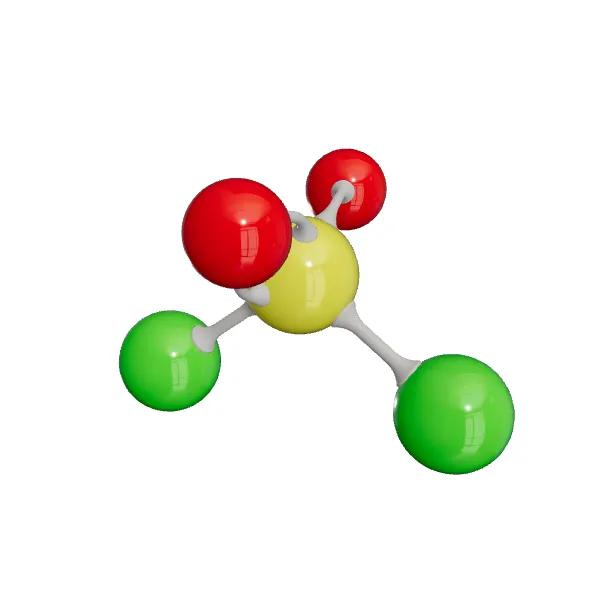
Phosphorus compounds
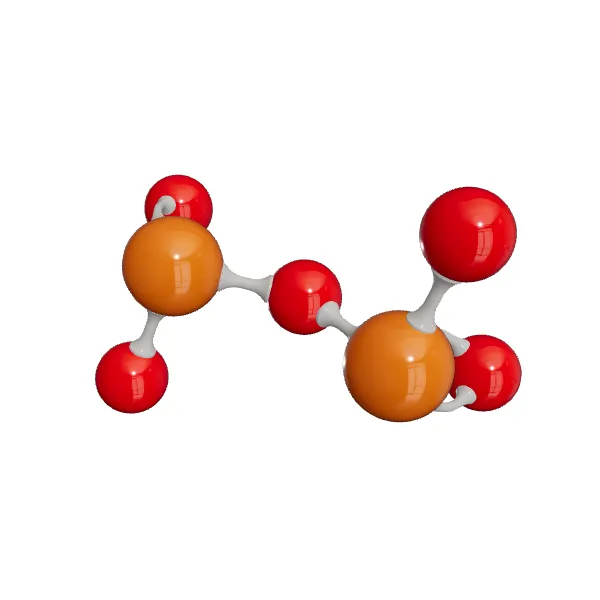
4Phosphorus oxides and oxychlorides — cage molecules and reagents.
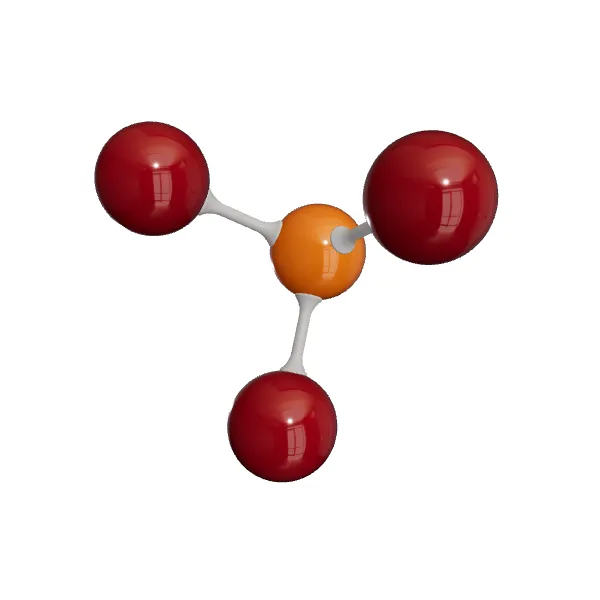
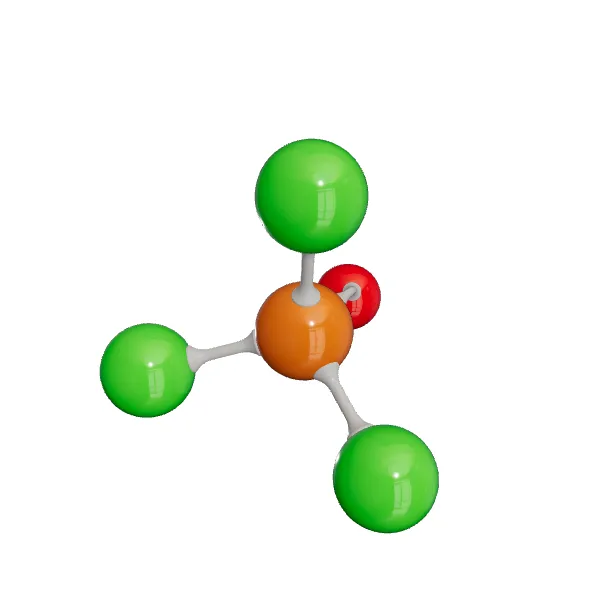
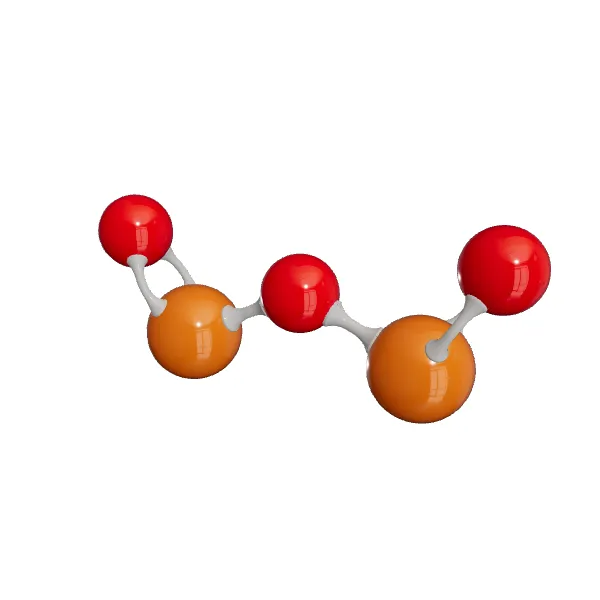
Boron & silicon compounds
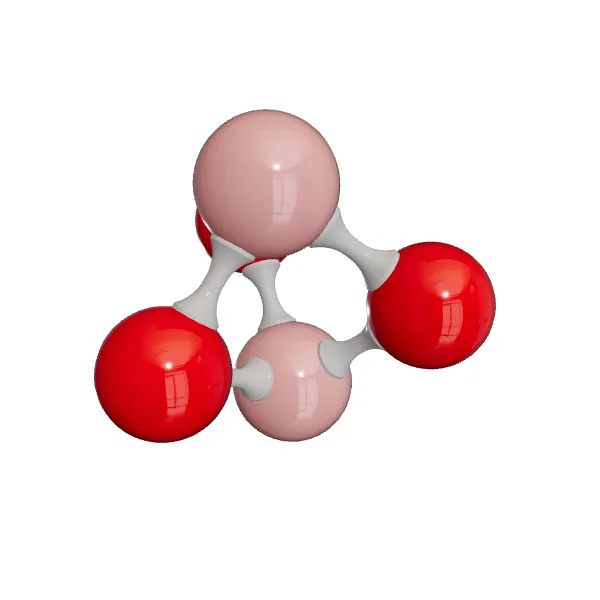
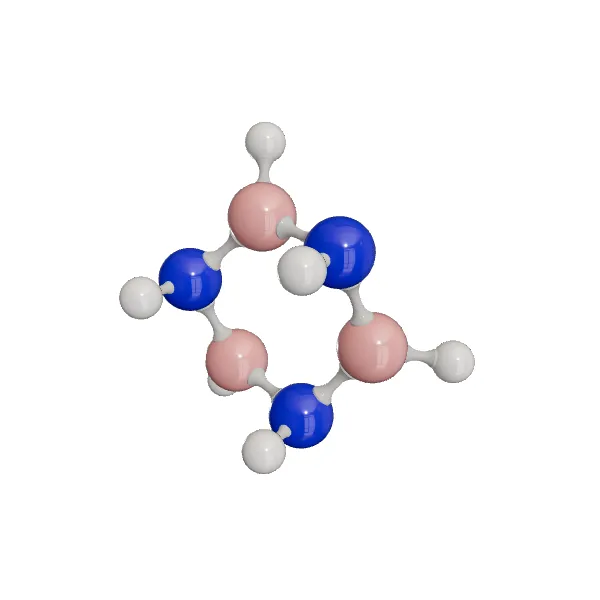
3Electron-deficient boranes, borazine ('inorganic benzene') and silicon frameworks.
Organometallics & coordination complexes
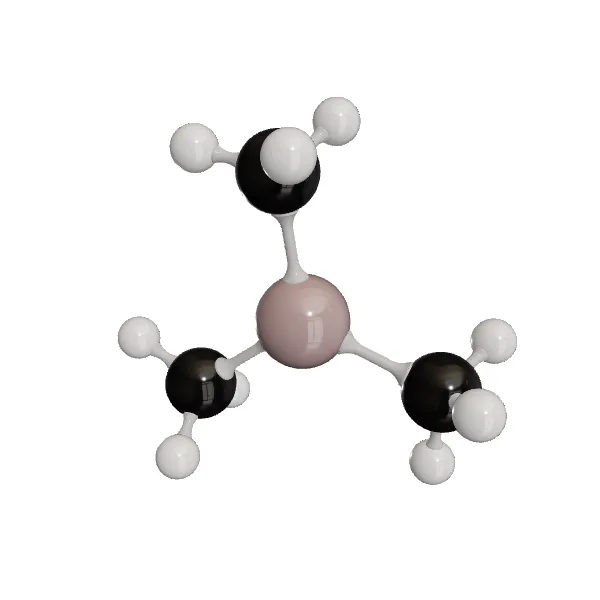
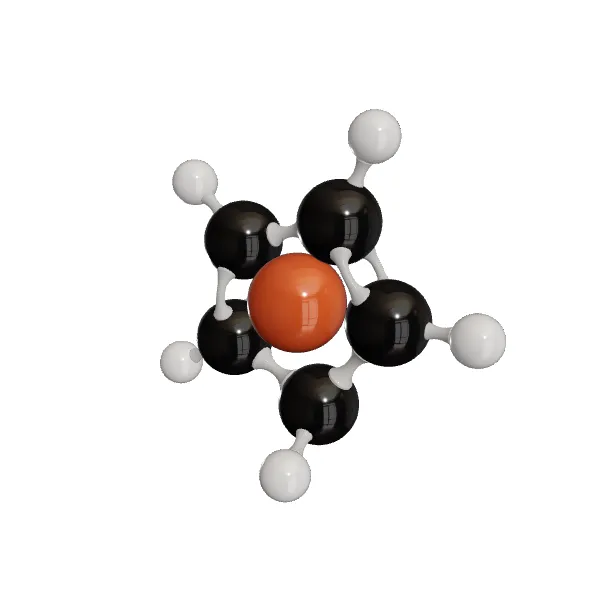
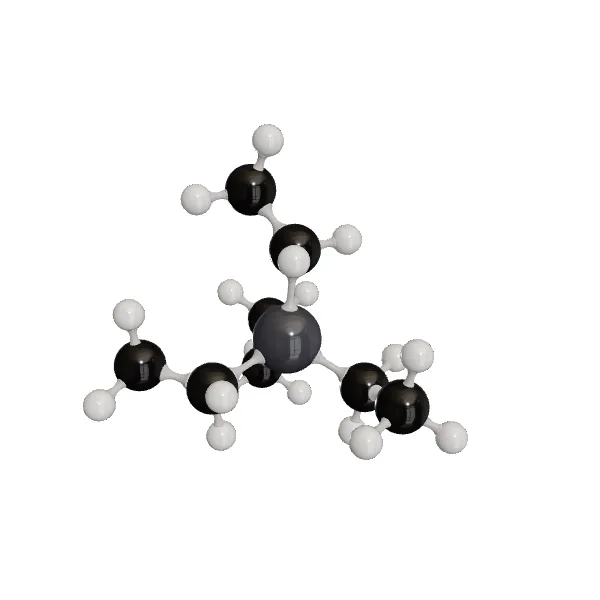
8Metal atoms wrapped in molecular ligands — ferrocene, metal carbonyls, cisplatin.
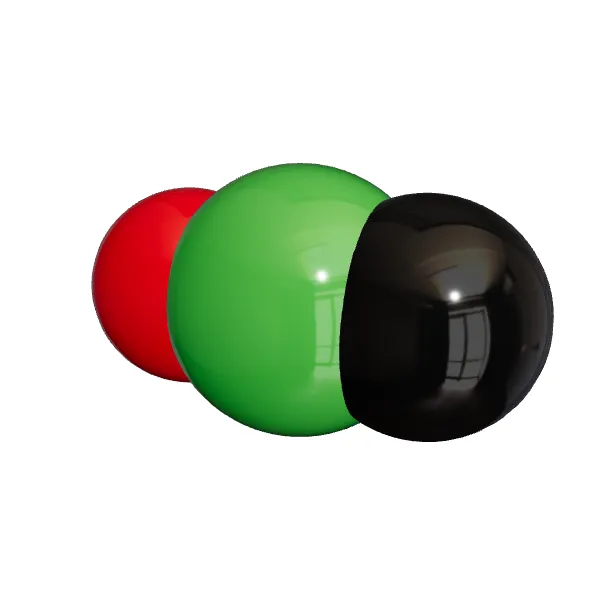
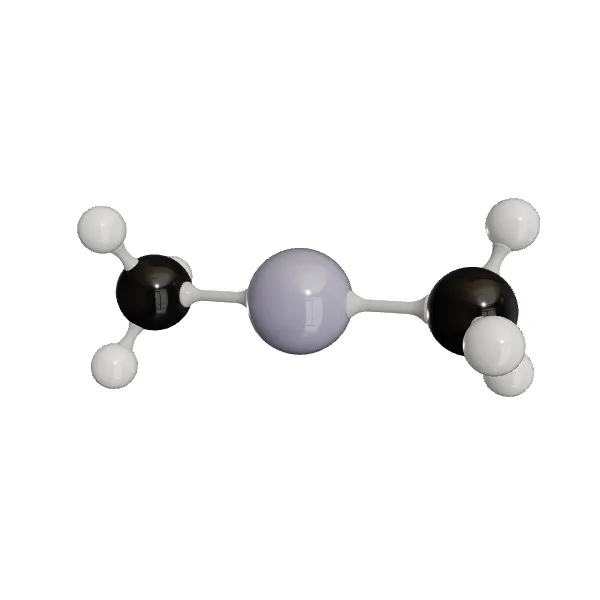
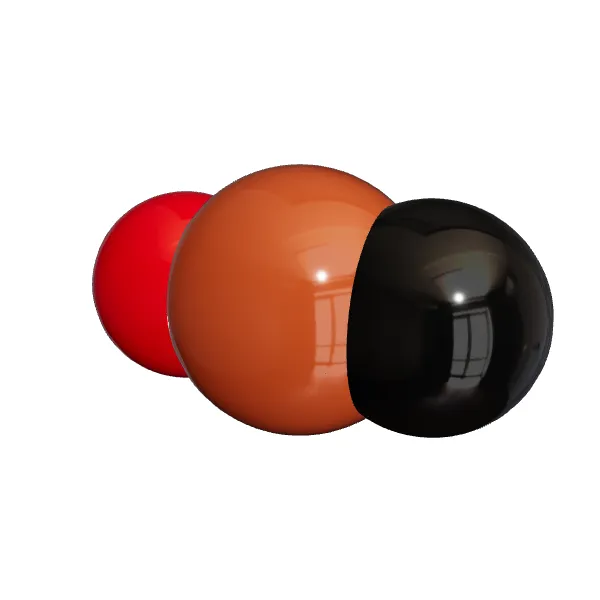
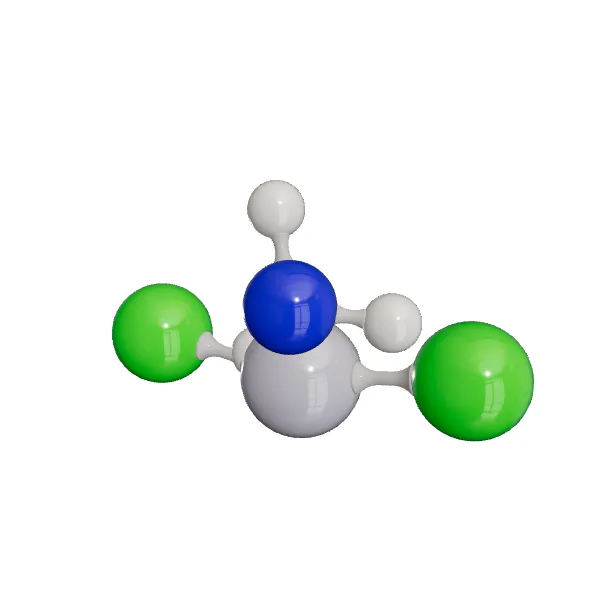
Crystal structures
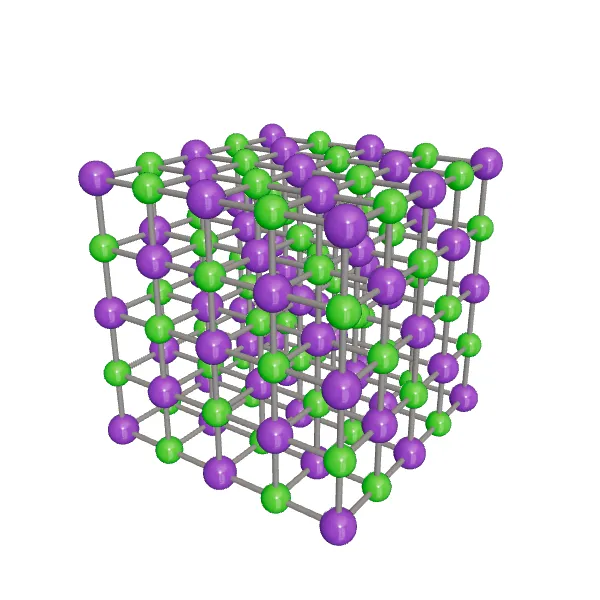
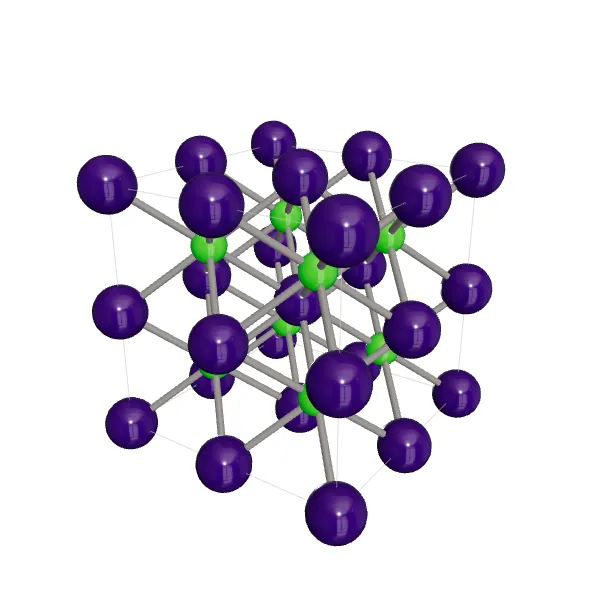
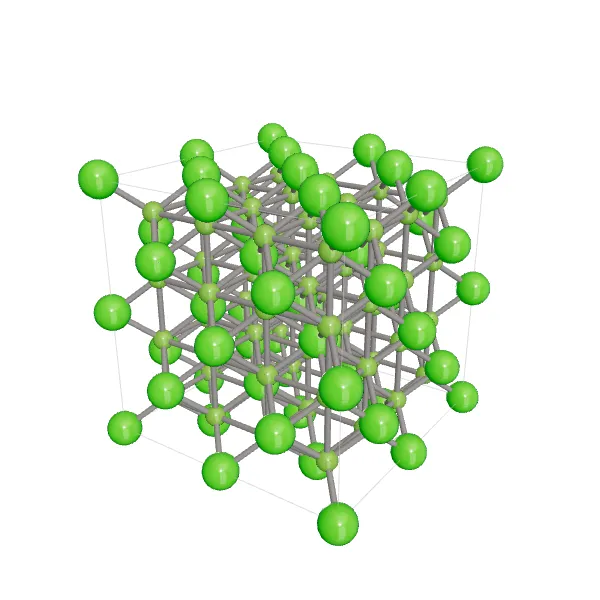
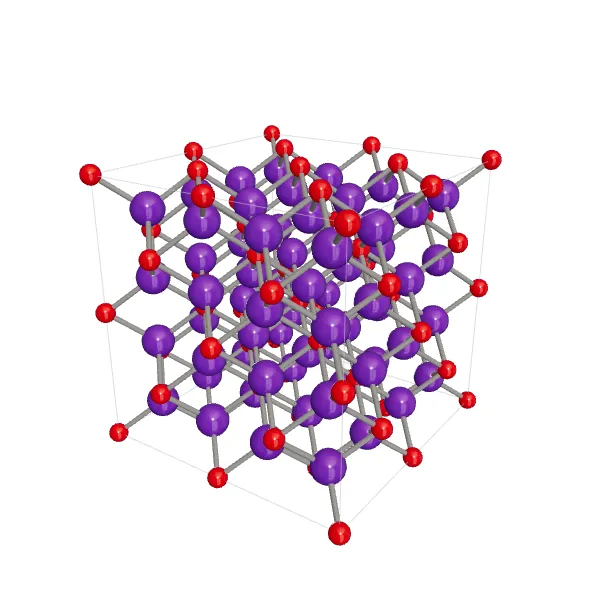
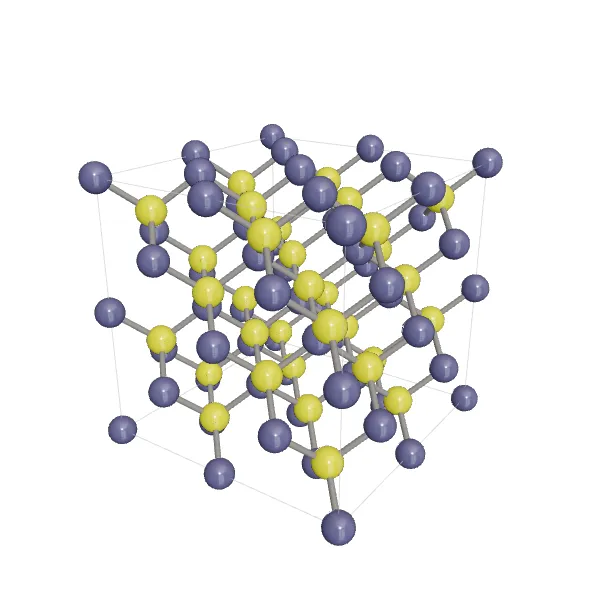
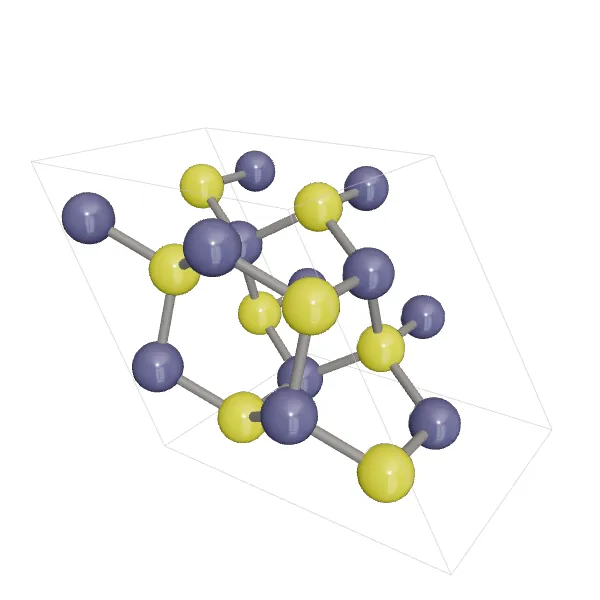
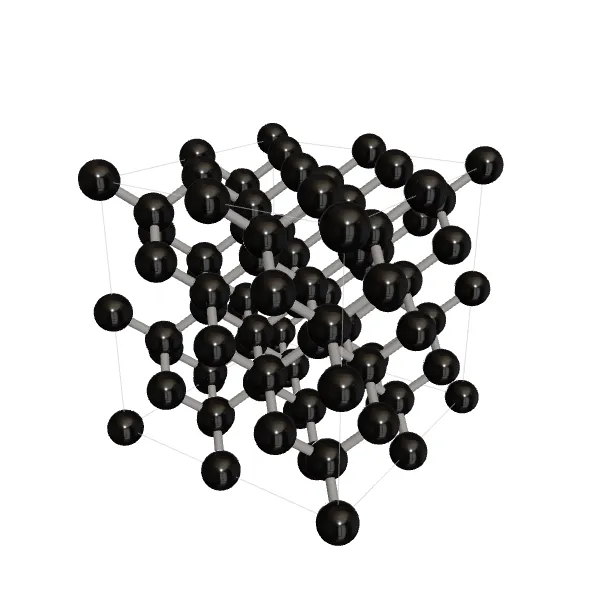
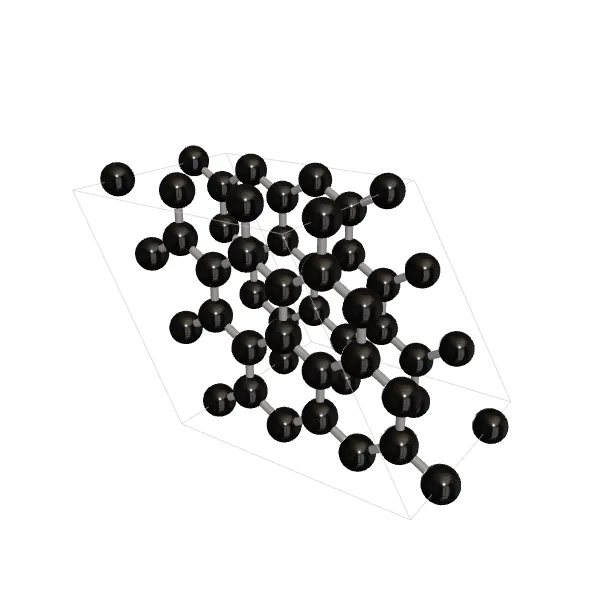
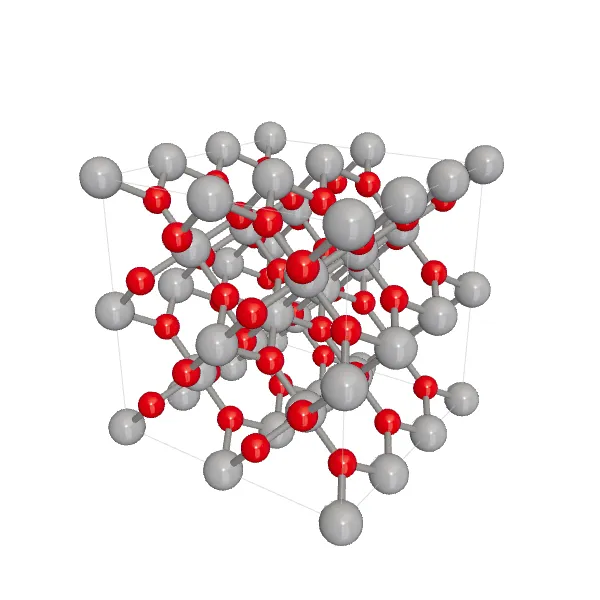
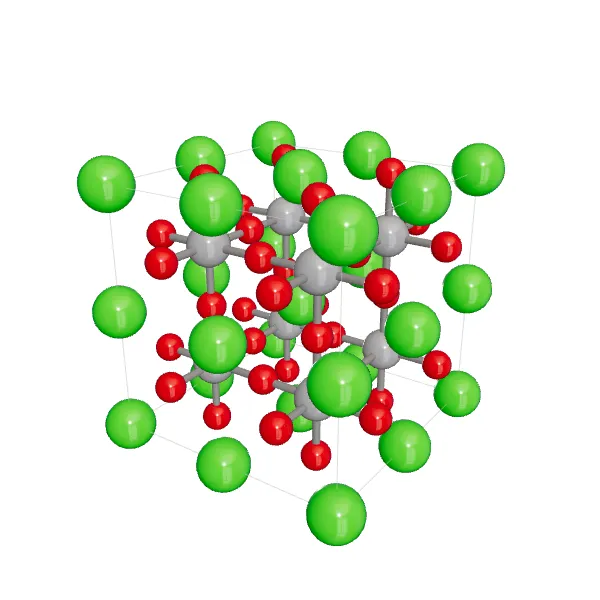
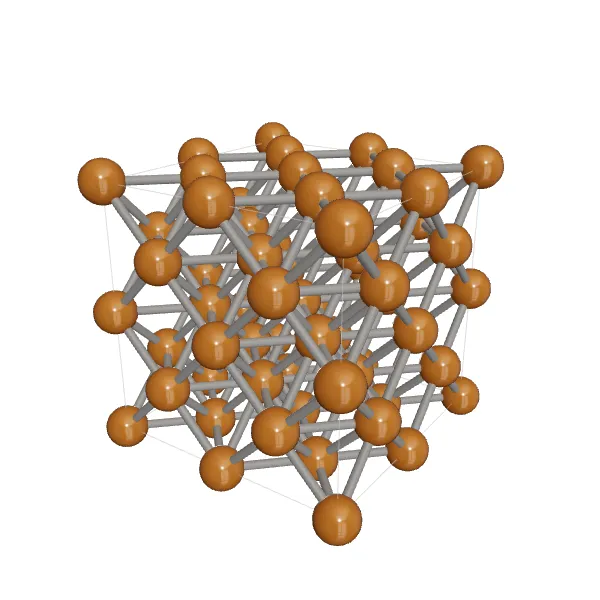
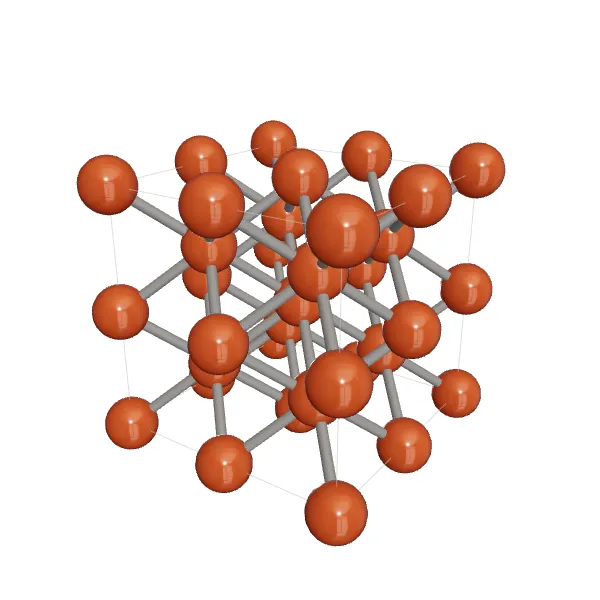
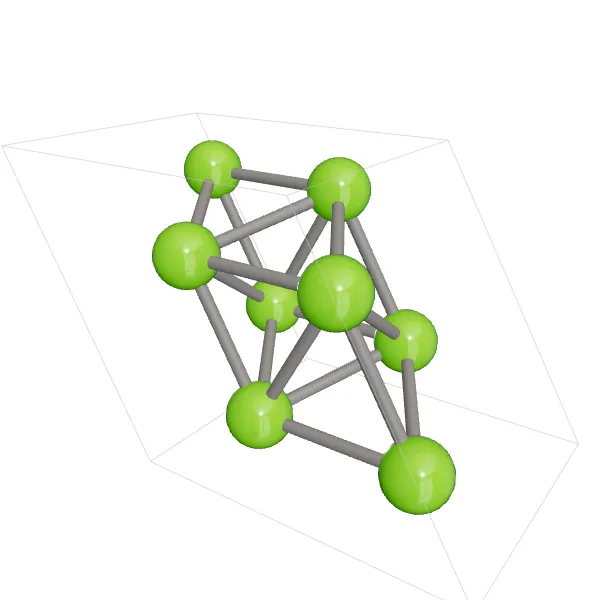
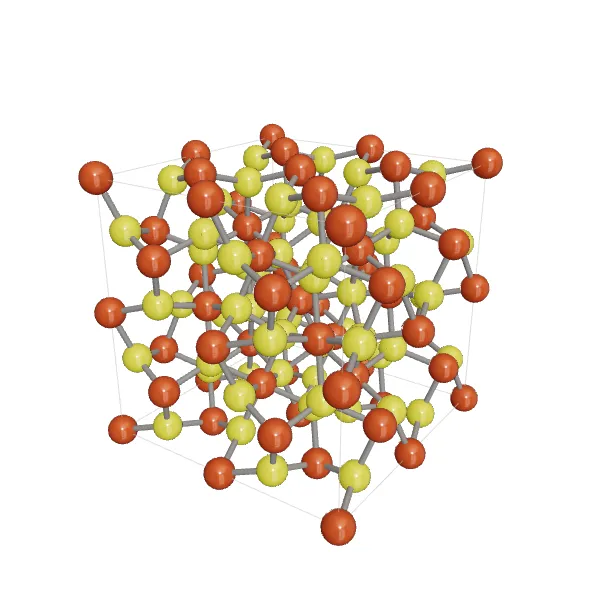
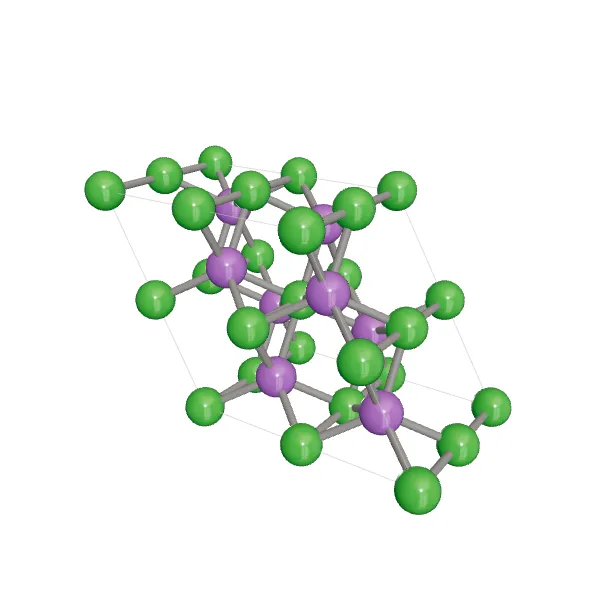
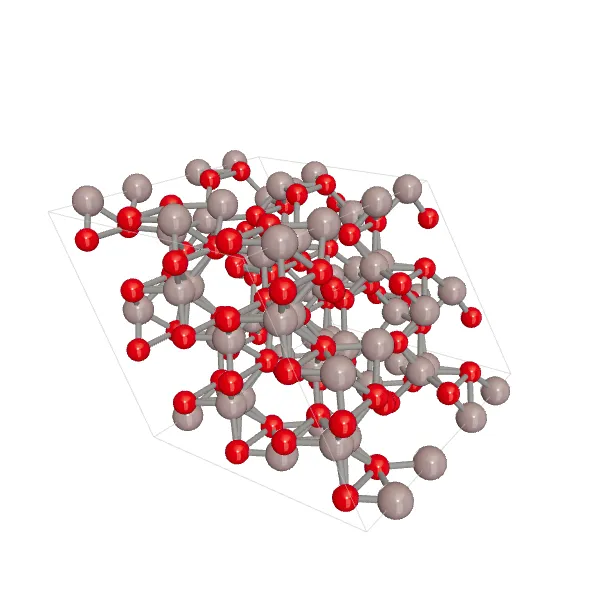
17Extended ionic, covalent and metallic frameworks — the repeating lattices that discrete-molecule diagrams can't capture. Each is shown as a rotatable supercell with its unit-cell outline.